Martin Austermuhle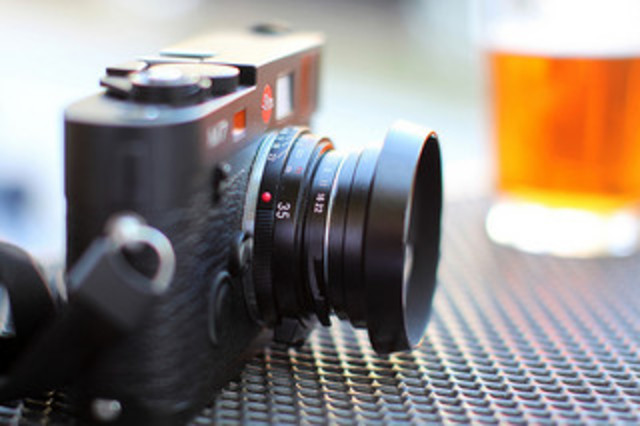
 Photo by Mr. T in DC
With cameras, video recorders and audio recording devices becoming more and more ubiquitous, police forces across the country have grappled with how to handle citizens that seek to document their work.
That uncertainty hasn’t tended to favor the curious and civic-minded, though—in Maryland, for example, a number of people were arrested in recent years for trying to record police as they went about their jobs. But now the Metropolitan Police Department has clarified its own policy, and it’s coming down on the side of allowing recording.
“The Metropolitan Police Department (MPD) recognizes that members of the general public have a First Amendment right to video record, photograph, and/or audio record MPD members while MPD members are conducting official business or while acting in an official capacity in any public space, unless such recordings interfere with police activity,” reads a general order signed by Police Chief Cathy Lanier last week and first reported by the Legal Times yesterday.
The order stresses that a member of the public is in their legal right to photograph or record police provided they are doing so from a public place—such as a sidewalk or park—and are not actively interfering with police work. The mere fact that they have a camera or audio recorder, though, does not entitle them to cross police lines, the order says. It also outlines the procedures to be used if a police officer has reason to believe that a resident captured the actual crime on camera.
The order stems from a case last year involving Jerome Vorus, an Alexandria man who was detained by D.C. police after he took pictures of them as they participated in a traffic stop. Vorus’ case wasn’t the first of its kind, though—both local and federal authorities have cracked down on public photography over the years, though current practice gives photographers the benefit of the doubt.