 (Indomina)
Makeup, impersonation skills, and digital trickery are all part of the cinematic magic that helps today’s moviegoer suspend belief for a few hours. This is the alchemy that turns Nicole Kidman into Virginia Woolf, Adrien Brody into Salvador Dali, and Armie Hammer into Aryan twins. The art of persuasion is essential to a fiction feature, but what of the documentary? And for that matter, what of real life?
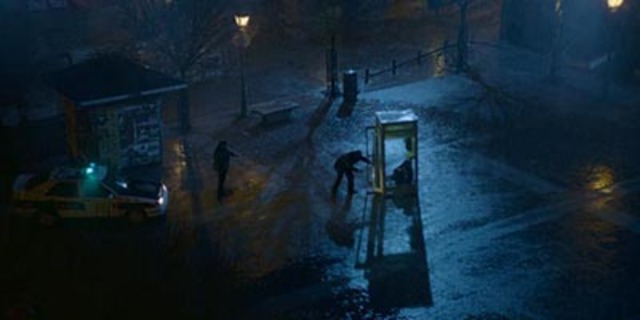
Bart Layton’s documentary The Imposter poses a fascinating question: is makeup and acting ability enough to convince a family that their missing loved one has returned? The question of impersonation is not just limited to one family in Texas, but can be applied to the very idea of non-fiction. The film’s reliance on reenactments as much as personal interviews raises issues about the nature of documentaries and of entertainment itself. Does not the documentary film-maker, as much as the fiction filmmaker, assemble and arrange the truth to convince the viewer of some higher super-truth that may not be exactly the truth?
The movie The Imposter was born out of a 2008 New Yorker article by David Grann. Grann’s piece was called the less sensationalistic “The Chameleon,” a title which would have made a very different movie. Such are the choices that even the non-fiction storyteller makes in order to shape drama. A plentiful commodity in this story.
Nicholas Barclay, a blond blue-eyed tween, had been missing from his San Antonio home for over three years when his family received a phone call from authorities in Spain. They found a boy who may be their missing loved one. Layton reenacts a phone call made by the titular imposter, who was 23 at the time of the call. The imposter, whose name the filmmaker withholds for most of the movie, explains how he got into character as a lost teenage boy. How did he pull it off?
The movie’s title seems to be a spoiler, but even if you’re familiar with The New Yorker’s article, the plot and unravelling of this criminal Rich Little keeps you glued to the screen. But even more interesting than the star trickster are the family members who want to believe in his story, and the investigators, from feds to a colorful Hard Copy detective, who put the pieces together, each of their interviews filmed against the kind of background in which you’d expect to see them. Wouldn’t it be funny if a documentary played with those expectations and filmed a grieving family member in a drab government office, a charlatan filmed in a living room scattered with his children’s toys? The Imposter gives you plenty to think about regarding the need to believe, but if you look closely, it also makes you take a sharper look at what documentaries try to do.
—
The Imposter
Directed by Bart Layton
Rated R for language
Running time 99 minutes.
Opens today at Landmark E Street Cinema