Martin Austermuhle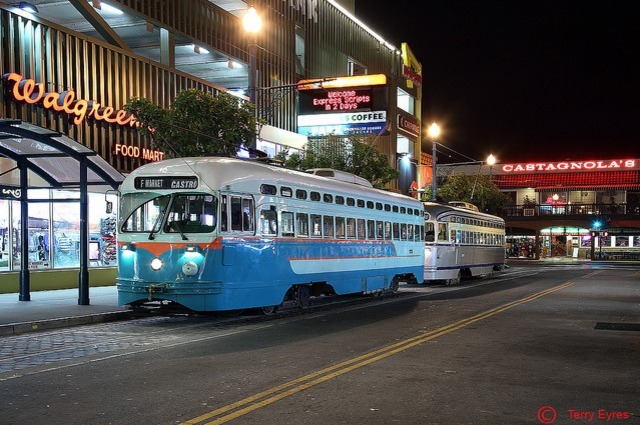
 The PCC No. 1076 streetcar, which D.C. used from 1937 to 1962. It now operates in San Francisco. Photo by terry.eyres
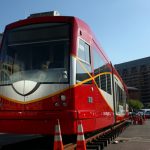
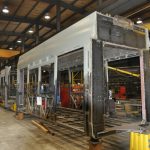
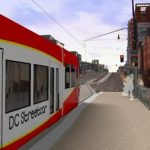
The first three streetcars that D.C. hopes to run on the H Street NE line were bought years ago. Sleek and modern, the cars—in addition to two more that will be ready by next year—are painted to look like Circulator buses.
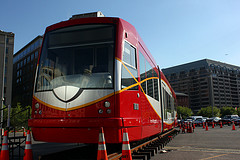 One of the H Street NE streetcars.
Last month, though, the D.C. Department of Transportation floated an interesting idea: it might buy and restore historic streetcars so that they resemble the streetcars that rumbled across the city from 1937 to 1962, when Congress shut them down. The proposal was including in a document outlining the ways the city plans to mitigate the effect of the streetcar line on historic properties:
DDOT will conduct the research necessary to determine the potential for acquiring and restoring historic streetcars for passenger service as has been done in other cities’ “Heritage Streetcar” programs.
D.C. wouldn’t be the only city pursuing heritage streetcars: San Francisco, for one, has an extensive collection of streetcars, including the very model that was used in D.C. Very few of D.C.’s old streetcars remain, though, with a number having been destroyed after being given to cities as far away as Barcelona and Sarajevo and a few being used as museum pieces. (The National Capital Trolley Museum has a good picture gallery of historic D.C. streetcars.)
The historical flourishes won’t stop there, though. DDOT also says that it will continue investigating alternate modes of powering the streetcars, mostly to avoid concerns related to overhead wires. (H Street will have overheard wires, but they likely won’t be used in other parts of the city due to federal restrictions.)
Additionally, a proposed streetcar maintenance and training facility to be located on the campus of Spingarn High School along Benning Road will be designed so that it is “appropriate for the historic context of the area and to ensure that [it reflects] the civic character that is important for DC Government facilities.” An initial rendering of the facility envisioned a blocky white and silver facility, far removed from the old brick car barns that can still be seen in Georgetown and on Capitol Hill. (According to DDOT spokesman John Lisle, the redone renderings of the car barn are not yet ready.)
The Capitol Hill Restoration Society said in comments to DDOT that while it remains skeptical of placing a car barn on the campus, it wants one that ends up there to maintain the school’s historic character.
“It should be respectful of and compatible with Spingarn High School’s style, design, and materials so that it looks like it belongs on the educational campus, rather than being thrust upon it. Its scale, height, and massing should be no larger than necessary to accommodate its purposes and should not diminish Spingarn by its presence. Furthermore, any signage identifying the structure should be very modest in design and scale and deferential to the historic schools,” the organization said in its comments.
Opposition to the Spingarn car barn remains, though, and in late September the Kingman Park Civic Association filed paperwork for the entire campus to be designated a historic landmark. If that came to pass, any construction on the site would have to pass muster with the Historic Preservation Review Board. (The application is here in .PDF format.)
The H Street NE line is expected to be operational in late 2013.