Martin Austermuhle
There are lots of towns and cities throughout the country and world, and their elected leaders legislators choose to tackle their problems in their own ways. Sometimes those solutions are creative and cutting edge, sometimes they’re not. In a periodic series, we’ll look at things that other cities are doing and ask ourselves: is that something D.C. should or should not do?
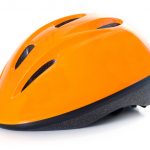
This week Boston launched a public health campaign promoting the use of helmets. The Herald reports that the campaign centers around stencils painted into bike lanes encouraging cyclists to wear helmets when they go for a ride. “No Excuses, Wear a Helmet,” reads the stencil. It has also posted very direct ads in bus shelters.
Much like Boston, D.C. cyclists have a problem wearing helmets. Well, some of them. According to mid-summer survey, seven of 10 users of Capital Bikeshare go without helmets, while the same number of regular commuters who use their own bikes do wear them. Capital Bikeshare seemed to recognize the disparity early on, announcing in April that new subscribers would be able to buy a helmet for $16—way under what they’d pay in a bike shop.
Based on the numbers of helmetless riders and popularity of Bikeshare, D.C. would seem wise to take after Boston, right? Well, maybe not. Last week the New York Times published an interesting article in which a writer posited that not only are accidents on bike-sharing systems rare—they are for Capital Bikeshare—but that making people feel like they have to wear a helmet would discourage them from doing something that is otherwise safe, fun and healthy:
In the United States the notion that bike helmets promote health and safety by preventing head injuries is taken as pretty near God’s truth. Un-helmeted cyclists are regarded as irresponsible, like people who smoke. Cities are aggressive in helmet promotion.
But many European health experts have taken a very different view: Yes, there are studies that show that if you fall off a bicycle at a certain speed and hit your head, a helmet can reduce your risk of serious head injury. But such falls off bikes are rare — exceedingly so in mature urban cycling systems.
On the other hand, many researchers say, if you force or pressure people to wear helmets, you discourage them from riding bicycles. That means more obesity, heart disease and diabetes. And — Catch-22 — a result is fewer ordinary cyclists on the road, which makes it harder to develop a safe bicycling network. The safest biking cities are places like Amsterdam and Copenhagen, where middle-aged commuters are mainstay riders and the fraction of adults in helmets is minuscule.
Additionally, some argue that the focus on helmets distracts from the emphasis on expanding cycling infrastructure in cities. The Boston stencils have already been targeted, with irate cyclists writing “Victim Blaming” on them.
Of course, there’s a balance to be had. D.C. could both promote helmets and lay down more bike lanes, not to mention more strictly enforce laws that apply to cyclists and drivers alike. In fact, that seems to be happening: only last weekend city crews were out painting more bike lanes green, which make them more visible to drivers. Additionally, whether or not accidents happen rarely, the Toronto Globe and Mail reported this week that a new study has found that yes, helmets do save lives.
Boston’s idea might be good for Boston, but not necessarily for D.C. Bikeshare is both popular and safe, and the city can promote helmet use in other ways—the discounted helmet for new subscribers is a good example. Additionally, helmet use seems to have filtered down to the people who use their bikes most, the ones that are more likely to be in an accident at some point.
Other Ideas: Sick of pigeons? One Missouri town is going to poison them. Should police officers be allowed to have visible tattoos? London doesn’t think so.