Martin Austermuhle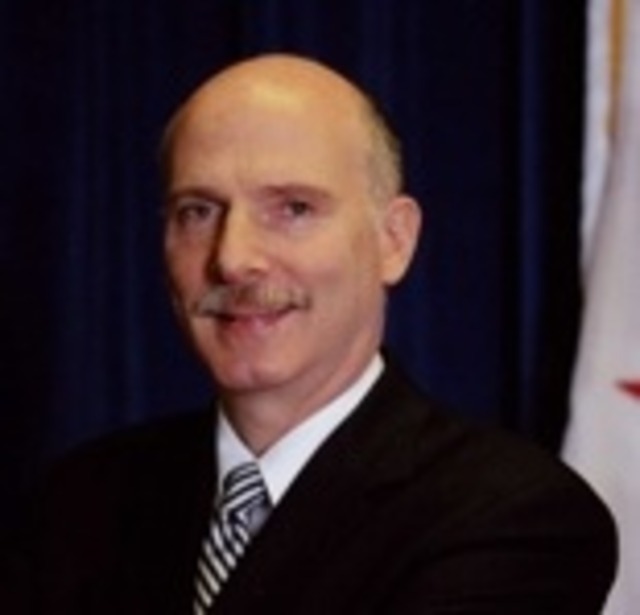
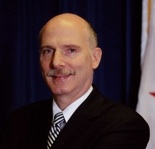 Photo courtesy Phil Mendelson
Among the many things on the November 6 D.C. ballot are two charter amendments that would automatically remove any elected official—mayor or councilmember—that’s convicted of a felony while in office. That’s clear enough. But should that official ever be allowed to hold office again? That’s less clear.
The issue has prompted disagreement between D.C. Council Chair Phil Mendelson and the D.C. Board of Elections, according to the Current. Mendelson believes that the council intended to mean that a convicted felon would be able to run for office again after paying off their debt to society, while the board thinks that the council legislation actually bans those felons from ever holding office again.
The ballot language printed by the board for the November 6 election outright says that those felons would be banned forever, saying that they would be “ineligible to remain in office and ineligible to ever hold the office again.” But in comments to the Current, Mendelson criticized this interpretation. “The summary statement speaks of a lifetime ban, but I think that the summary statement’s incorrect…We do have a belief in our society that a person who has done his time can then re-enter society and then be able to contribute as a productive member of society.”
Despite Mendelson’s objections, though, there might not be much that the board can do. The ballot language was crafted in May, and the ballots have been printed and are ready to be distributed. Even if Mendelson’s interpretation did win the day, one of the few options left would be to order the board not to count the votes for the charter amendments.
As for two recent felons that served on the council—Kwame Brown and Harry Thomas, Jr.—the amendment won’t apply either way: both resigned before they pleaded guilty, meaning that they’ll be eligible to run again.
These charter amendments aren’t the only ones that have drawn criticism—another amendment that would allow the council to expel one of its own on a 5/6ths vote has been criticized by some for making getting rid of elected scofflaws too hard.