Martin Austermuhle
 D.C.’s bag tax took in less revenue in 2012 than it did the year prior, reports the Examiner:
According to statistics from the District’s chief financial officer, the city collected $1.6 million from the fee in the 2012 fiscal year, which ended in September. That’s down 11 percent from the District’s $1.8 million haul in 2011.
The 2011 fiscal year was the first full budget cycle for the fee, which went into force in January 2010.
But that revenues fell isn’t a bad thing—that fewer people are paying five cents per bag means that fewer people are actually using plastic bags to begin with. (After the tax was imposed in 2010, bag usage dropped dramatically.)
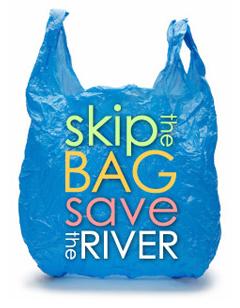
As written, the law attempts to clean up the Anacostia River in two ways: by minimizing the use of the bags (which have accounted for a high percentage of the trash in the river over the years) or force consumers to pay for their use, with the resulting money going into a fund to clean up the river.
Regardless, some conservatives still oppose the tax:
“This bag tax has nothing to do with the environment, and it does nothing for the environment. All it does is create a slush fund,” said Patrick Gleason, Americans for Tax Reform’s director of state affairs. “Instead of D.C. Council members pestering residents with how they transport their groceries, they should focus on getting their own house in order.”
Earlier this year, Gleason’s group commissioned a report that found that the D.C. bag tax was failing to do what it intended. As evidence, the report pointed to lower-than-expected revenues while saying that bag usage had dropped less than proponents said it would. Still, the report still seemed to prove that program is working: it admitted that bag usage had dropped 67 percent since the tax was imposed.