Martin Austermuhle
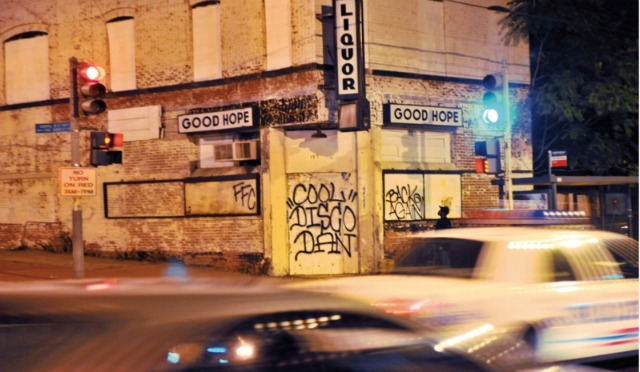 COOL “DISCO” DAN at Good Hope Road, Southeast Washington, 2008. Photo by Rosina Teri Memolo. Collection of Roger Gastman.
Most visitors to Washington get the monumental view of the city, but an exhibit scheduled to open early next year at the Corcoran will celebrate the various subcultures that thrived in the D.C. in the 1980s.
Pump Me Up: D.C. Subculture of the 1980s, opening on February 23, will delve into the Go-Go, punk rock and graffiti scenes that flourished in the city during that difficult decade. According to Corcoran officials, the exhibit, which will be curated by graffiti writer, author and Bethesda native Roger Gastman, will be the first time the museum comprehensively explores a side of D.C. that many visitors may not know existed:
The exhibition explores the visual culture of the “other D.C.,” demonstrating its place in the history of street art as well as that of America’s capital city. In the midst of notorious problems with drugs and corruption, D.C. gave birth to an infectious visual culture captured in the exhibition through posters made by Baltimore-based Globe printing press, graffiti, graphic art, archival photographs, and ephemera.
Pump Me Up traces the history of graffiti in Washington while emphasizing its inextricable ties to the burgeoning forms of local music. The exhibition highlights the vibrant scene that sprang up around Go-Go, a local form of funk pioneered by Chuck Brown and others, including the stripped-down “Go-Go graffiti” style. Started by neighborhood “crews,” this style became a hallmark of the D.C. style of graffiti writing. Around the same time, an underground hardcore and punk scene sprang up in venues like the Wilson Center and the 9:30 Club.
According to a press release, photos, flyers, posters, records, newspaper clippings, stage cloths, instruments, and video loops will fill the Corcoran’s Atrium and Rotunda. A 320-page book will be published to accompany the exhibit, which will run through April 7.
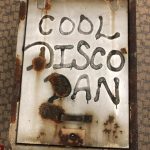
Last year Gastman spoke at the museum about the legacy of graffiti in D.C., and the museum displayed a piece by iconic graffiti artist Cool Disco Dan. A number of books have been written on the city’s punk rock and Go-Go scenes, and a yet-to-be-finished documentary on Cool Disco Dan has been floating around for a few years.