Martin Austermuhle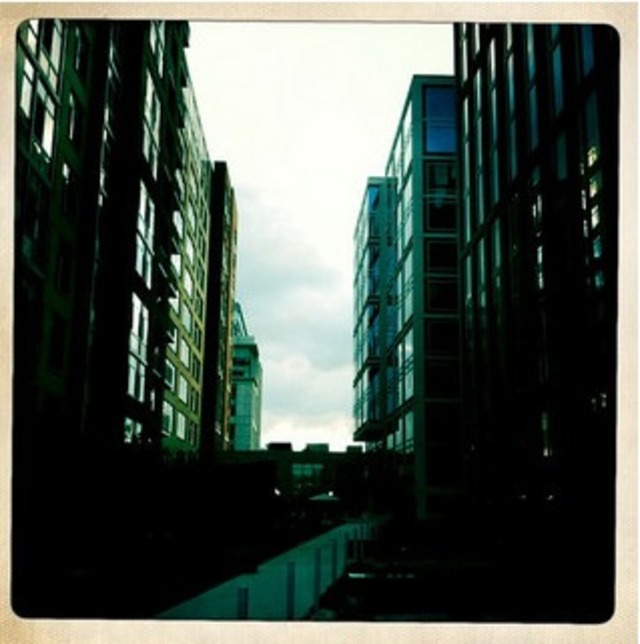
 Photo by jim_malone
What parts of the region are expected to lead growth over the next few years? Yesterday that Metropolitan Washington Council of Governments approved a document providing just that very answer. In a new report the group identified 139 Activity Centers around the region, citing them as the types of places—ranging from NoMa to Silver Spring—that are ripe for further development and growth. Explained the group:
The 139 Centers are diverse in size and form; they include existing urban centers, traditional towns, transit hubs, as well as areas expecting future growth. For example, Georgetown and downtown Manassas are vibrant, walkable places already built-out with a strong mix of housing and businesses. At the same time, Activity Centers such as NoMa, Clarendon, downtown Frederick, and Silver Spring are expected to experience major population and employment growth over the next several decades.
While the Centers vary in scale and type, the basic concept behind them is the same: concentrate development in areas that will have the planning and infrastructure in place to support it. By focusing growth in Activity Centers, the region will improve connections between housing and jobs, reduce environmental impact, and make a better use of limited funds. The Centers will also promote development around area transit such as Silver Line Metro stations in Northern Virginia and Green Line Metro stations in Prince George’s County, Maryland. About two-thirds of Centers are or will be served by the region’s rail transit network of Metrorail, commuter rail and light rail.
The last time such centers were identified was in 2007, when 59 regional activity centers were included on the list. The increase in the numbers of centers shows how the region has grown in those five years, and give a sense of how planners are looking at new parts of the region as possible hubs for growth.
Take D.C., for example. While in 2007 the group only picked five activity centers, that number has now grown to 24. The five from 2007 remain on the new list, but they’re complemented by the addition of a number of new sites: Walter Reed, Ft. Totten, Columbia Heights, McMillan, U Street, Rhode Island Avenue, NoMa, H Street, Capitol Riverfront, Stadium Armory, and more.
Yesterday’s report highlighted four of the centers—NoMa, Frederick, Silver Spring, and Clarendon—and explained how different they might be by 2040. NoMa, for one, is expected to see a population increase of 96 percent, while Frederick’s will jump 133 percent. (The regional average is 24 percent.) Employment in all four is supposed to be above the regional average of a 29 percent increase, with NoMa topping out at an impressive 184 percent jump.