
 Photo by RoxandaBear
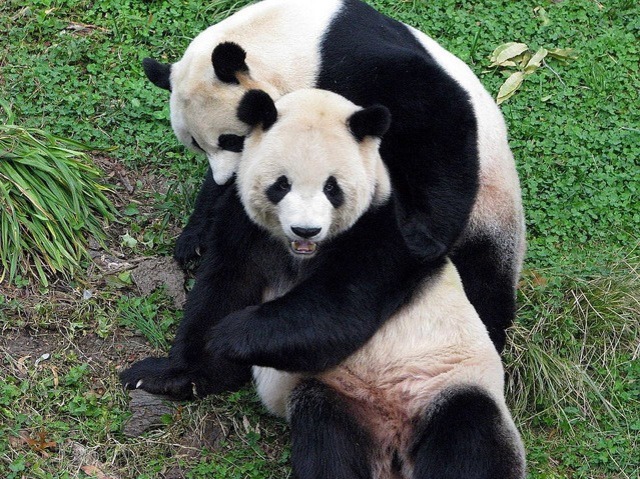
Could Mei Xiang and Tian Tian’s days at the Smithsonian’s National Zoo be numbered because Congress doesn’t have its shit together on the budget? It’s a “doomsday” scenario, but one that would become a lot more likely if the federal government goes into sequestration mode.
Unless Congress and the White House can reach a deal on reducing the federal budget deficit by March 1, automatic spending cuts of $85 billion will go into effect across nearly all government programs, including the Smithsonian Institution. And, The Washington Post reports, at the zoo, that could mean fewer opportunities to see some of the most popular exhibits, like giant pandas, cheetahs, Andean bears, otters, and other animals that make for cute photos:
Some zoo projects, such as the planned acquisition of cheetahs for the research facility in Front Royal, Va., may be reconsidered, according to Kelly. But with five curator jobs and numerous keeper’s slots vacant from three years of frozen budgets, the sequester could nudge the zoo closer to what [National Zoo director Dennis] Kelly calls the doomsday scenario: closing one of its expensive major exhibits.
The zoo runs on an annual budget of about $50 million, and under sequestration, the entire Smithsonian system would see its budget cut by about $40 million, or 5 percent.
At least sequestration won’t mean that the animals that the zoo can afford to keep will go uncared for. The zoo’s animal keepers and veterinarians are considered essential personnel, meaning that funding for their jobs is immune from the automatic cuts. “We will never compromise on human safety, and we’ll never compromise animal welfare,” Kelly, the zoo’s director, tells the Post.
However, if the zoo needs to start scrimping, some of its prized exhibits are also pretty expensive to maintain. The elephants are $100,000 a year, and the cheetahs and otters aren’t exactly low-maintenance pets. And even with all of the panda sex money donated by benefactors like David J. Rubenstein and the Ford Motor Co., Mei Xiang and Tian Tian are very expensive.