 Getty Images
This article has been updated.
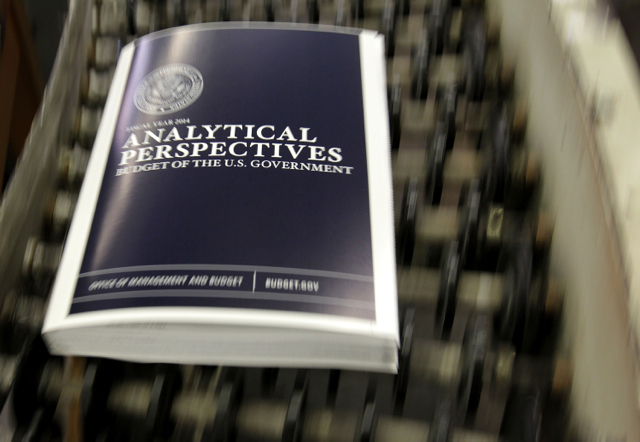
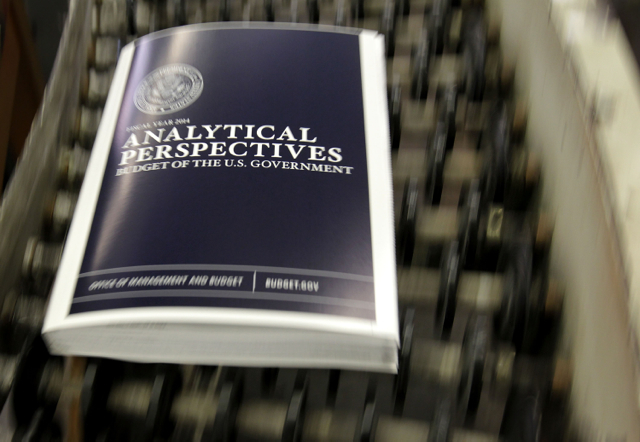
Buried deep in the White House’s proposed fiscal 2014 budget is a repeat of language that puts the Obama administration—at least on paper—on the side of allowing D.C. to do what it will with its own money. The proposed budget, released today, contains a paragraph that first appeared in Obama’s proposed budget for fiscal 2013, endorsing the idea that the District should not have to wait for a federal appropriations bill before spending any of the revenue it raises through local taxes and fees.
And with the District taking in more revenue than ever before—thank you, traffic cameras—true budget autonomy has never been more attractive.
Here’s the relevant White House budget text, which is almost a word-for-word repeat of last year’s model:
The District of Columbia annually receives direct Federal payments for a number of local programs in recognition of the District’s unique status as the seat of the Federal Government. These General and Special Payments are separate from and in addition to the District’s local budget, which is funded through local revenues. Consistent with the principle of home rule, it is the Administration’s view that the District’s local budget should be authorized to take effect without a separate annual Federal appropriations bill. The Administration will work with Congress and the Mayor to provide the District local budget autonomy, as proposed in the Budget.
But Del. Eleanor Holmes Norton (D-D.C.) isn’t taking it as anything ordinary. Explicit support for District budget autonomy in a White House budget is still a relatively new concept. Though the past two presidents have both made budget statements favoring budget autonomy, the concept as written only debuted last year.
“The president’s historic budget proposal not only amplifies his past public advocacy for D.C. equality, it takes it to an entirely new level,” Norton said in a news release.
Well, that’ll have to be seen. Congress hasn’t passed a proper federal budget in more than four years, instead keeping the country running on a continuous string of continuing resolutions.
But maybe there’s something to Norton’s enthusiasm in 2013. This year’s budget goes a hair further in including fiscal autonomy for the District in the actual legislative text, not just relegating it to the conceptual narrative text.
The White House budget comes out with just under two weeks until the April 23 special election, in which voters will decide on a ballot referendum in which D.C. would claim budget autonomy for itself simply by rewriting the Home Rule Charter. DC Vote, the voting rights group that organized the referendum, is also quite happy with the token support.”
“We are very pleased by the president’s support for local budget autonomy,” James Jones, a spokesman for the group, writes in an email. “We will continue to press every avenue possible to gain budget autonomy for the District, including passing the referendum on the April 23 special election ballot.”