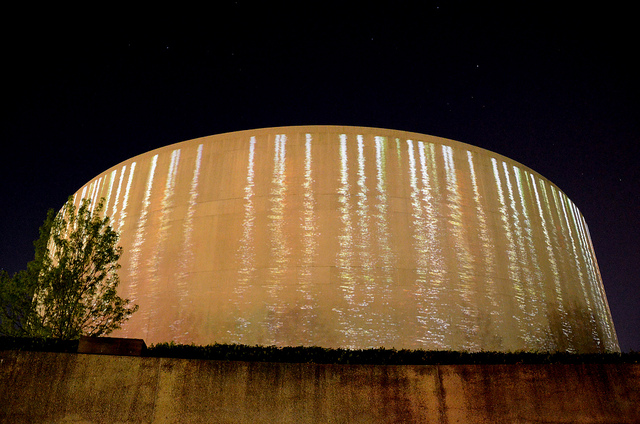
 Photo by Josh McDaniel
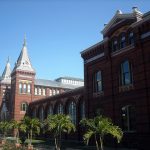
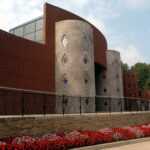
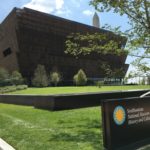
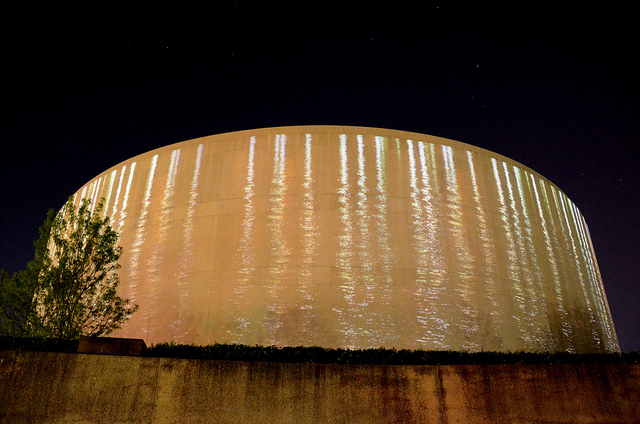
The Smithsonian Institution announced last night that parts of three museums—the Hirshhorn, National Museum of African Art, and Smithsonian—will close tomorrow through Sept. 30 because of mandatory budget cuts, but the true effect of sequestration on the museum group is far wider.
Smithsonian spokeswoman Linda St. Thomas says that in addition to the closures of part of the Hirshhorn’s third floor, an African Art exhibit, and the Commons area inside the Castle, parts of other museums will go dark this year as exhibits come to their scheduled ends. Instead of quickly refilling exhibit rooms, the Smithsonian will let those spaces stay empty as a way to cut down on its security costs.
For example, St. Thomas says, an exhibit of Civil War-era art at the American Art Museum that closed last Sunday will not be replaced. Same goes for a space at the National Museum of Natural History that housed a display of orchids until last week.
“Right now, those spaces aren’t going to be filled,” St. Thomas says. In making its sequestration cuts, the the Smithsonian focused on how to minimize the amount it spends on contracted security, more of which is required at its art museums and other spaces where objects are closer to the viewing public and not enclosed in glass cases. But foot traffic is also playing a role, and the art museums are easily outdrawn by venues such as the Air and Space Museum and National Museum of American History, one-third of which is currently closed off for construction.
“In terms of the security of our visitors, bigger crowds require more security,” St. Thomas says. “We have to tend to the bigger crowds. Not saying anything to denigrate art museums. Every museum is still open every day.”
But as spring and summer continue, bringing the Smithsonian some of its biggest crowds, some of those museums will become less open.