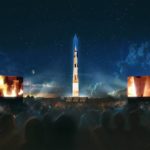
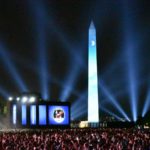
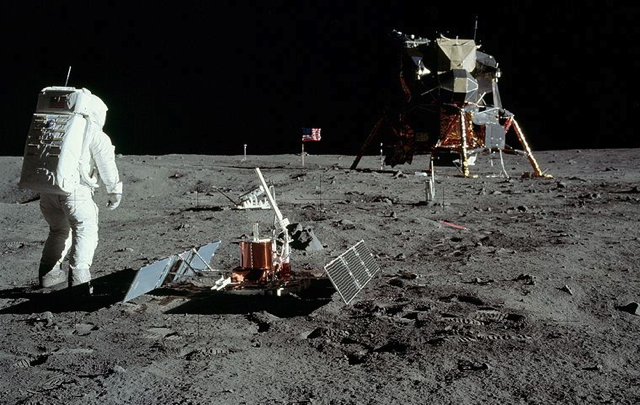
 Apollo 11 (NASA)
There are 59 sites around the United States that are designated as national parks. Rep. Donna Edwards (D-Md.) wants to add a 60th, but it’s not exactly within a day’s drive from anywhere in the country.
Edwards this week introduced legislation that would create the newest national park on the moon. As space exploration becomes the bailiwick of private enterprise Edwards, who is the ranking member of the House Subcommittee on Space, which oversees NASA, wants to make sure that the site of the Apollo 11 landing remains a protected site.
On Tuesday, Edwards put forward the Apollo Lunar Landing Legacy Act, which would direct the government to designate the landing site and the artifacts left behind astronauts who have visited the moon as a national park, under the auspices of the National Park Service. In remarks on the House floor, Edwards spoke of wanting to protect the lunar surface from potential interference from commercial interest that may some day touch down, The Baltimore Sun reported:
“In 1969, led by the late Apollo astronaut Neil Armstrong, American ingenuity changed history as humanity took a giant leap forward on the surface of the moon,” Edwards said Tuesday on the House floor.
“That history, as preserved on the lunar surface, is now in danger, as spacefaring commercial entities and foreign nations begin to achieve the technical capabilities necessary to land spacecraft on the surface of the moon,” the Prince George’s County lawmaker said.
Since on July 20, 1969, when Apollo 11 made its historic landing, astronauts have deposited flags, a memorial to fallen comrades in both the U.S. and Soviet space programs, and golf balls. (Apollo 14 commander Alan Shepard was an avid lunar duffer.) In total NASA sent six manned missions to the moon between 1969 and 1972.
But is the National Park Service prepared to extend its reach to the moon. After all, national parks need to be protected, staffed by rangers, and supplied with concessions, to say nothing of plotting out the various permits that prospective visitors would need to enter, hike, or even camp. And since February 2010, it has been legal for people to bring firearms into national parks. Could the future include guns on the moon?
“We’ve not been contacted about the bill,” Jeffrey Olson, the chief spokesman for the National Park Service, tells DCist.
Edwards’ bill is posted below. In the mean time, perhaps she could enlist the lobbying services of former House Speaker Newt Gingrich, who last year even suggested that the moon could some day become a state.