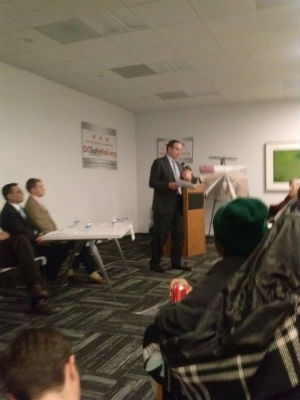
 In front of a well-organized, vocal and at times emotional crowd, Mayor Vincent Gray heard resident concerns over the proposed expansion of the Virginia Avenue CSX tunnel in Southeast D.C.
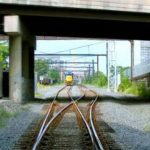
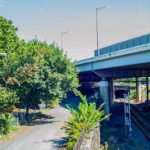
CSX’s proposed expansion and widening of the 3,800-foot tunnel — which runs from Second Street and Virginia Avenue SE to 11th and M streets SE — to accommodate double-stacked trains would last between three to six years, perhaps more, according to a draft environmental impact statement. If a proposed construction plan moves forward, cars possibly carrying crude oil and other hazardous materials would move through Capitol Hill in an exposed trench on temporary tracks. Residents would travel over the trench using temporary pedestrian bridges. Neighbors argued that the $160 to $200 million project would have a negative effect on their health, quality of life and property values, and could lead to a disaster. Many argued for the rerouting of trains during the proposed construction project, a proposal Councilmember Tommy Wells (D-Ward 6) supports.
Despite the long line to enter the Department of General Services building, hundreds of people turned out for the meeting. Local resident Natalie Lee told Gray that residents have been given three options for construction that all involve an open trench that trains will run through. She said CSX and studies haven’t provided answers to their questions. “There’s a major lack of information,” Lee said.
Helen Douglas, a resident of the Arthur Capper senior housing facility, said the construction would destroy nearby tree canopy, decrease parking availability, increase stress for nearby residents and rattle the senior housing facility.
“Under the current proposals, we are like sitting ducks,” she said. “An accident waiting to happen.” She added that the expansion of the tunnel has “no beneficial returns for the community.”
Resident Claire Schaefer Oleksiak focused on CSX’s “poor” safety record and the unprecedented nature of the project: “Do not let D.C. be the guinea pig for CSX.”
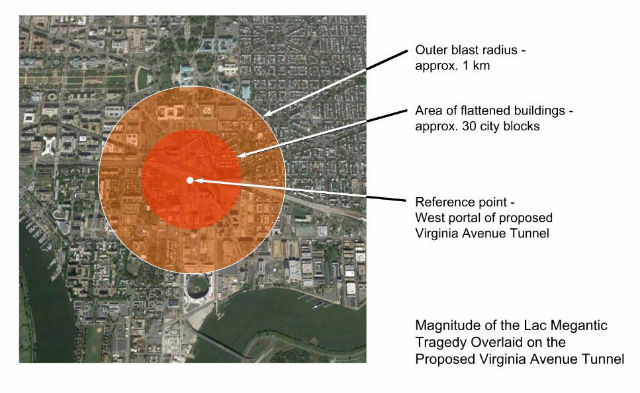
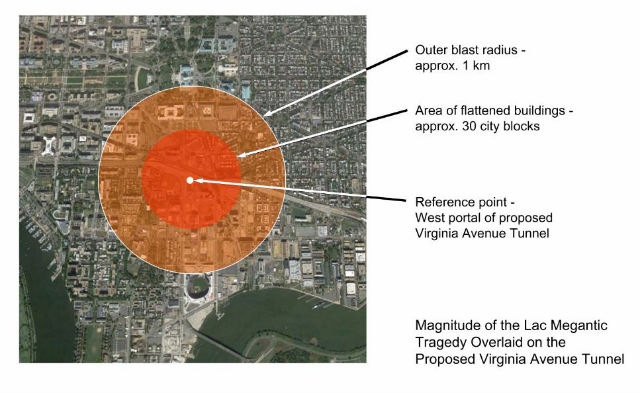 Magnitude of the Lac Megantic derailment overlaid on the proposed Virginia Avenue Tunnel.
“This is obviously a very complicated process,” Gray told the crowd. When asked about how D.C. could prevent the project from going on for a decade or longer, Gray said that, if the project goes forward, “there’s no question in my mind there will be a set of conditions imposed in the [District of Transportation Department] permitting process that will have a set of penalties associated with and for failure to comply.”
“But that’s all predicated on if we go forward with this,” the mayor said.
When a representative from CSX appeared before the crowd to speak during a Q&A portion, he was booed. Skip Elliott, CSX’s vice president for Public Safety, Health and Environment, said “unit trains” (or trains carrying all the same materials) carrying crude oil and hazardous materials haven’t moved through D.C. and they “don’t anticipate” they will. But single cars carrying those materials have and will. He could not provide an exact number.
“Although we have our accidents, we work very, very hard to be as safe as we can,” he said. “We really do.”
DC Safe Rail, a group opposing the open-trench construction project, launched the hashtag #mayornobuild today to raise awareness about their position. Del. Eleanor Holmes Norton (D-D.C.), who held a meeting in November on the subject, will hold another next Saturday with the Environmental Protection Agency, the Federal Highway Administration, DDOT and CSX.