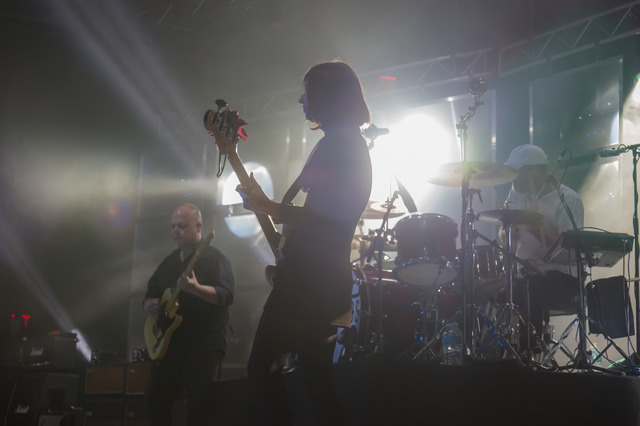
Are the Pixies a classic rock band now?
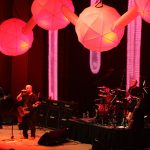
All evidence seems to suggest so. At the band’s concert at the Music Center at Strathmore in North Bethesda, Md. last night, the vibe was not unlike when the elder statesmen of rock in bands like The Rolling Stones, Fleetwood Mac, or Bob Dylan roll through town: the swanky venue, the sky-high ticket prices, the elaborate stage set-up, the overpriced merch.
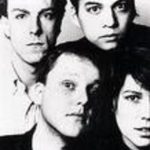
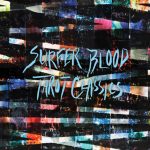
But that’s not necessarily a bad thing, it’s just a little jarring when it’s in the context of a band like the Pixies, who were once considered vanguards of the indie alt-rock underground in the late ’80s and early ’90s. Of course, since their reformation in 2004, the band has now been around longer in their second go-round then they did when they first formed in the mid ’80s. With albums like Doolittle and Surfer Rosa, the legendary quartet—comprised of singer/guitarist Black Francis, guitarist Joey Santiago, drummer David Lovering, and bassist/singer Kim Deal—quickly rose to prominence in the alt-rock underground. While they were consistently hailed by most rock critics in their heyday, the band broke up before they saw any sort of significant commercial success.
In the years since their reformation, the band has toured off and on, playing in venues far bigger than they ever did in the ’80s and ’90s. They did their victory lap and cashed in on the success they never saw in their first go-round. But now that the reunion hype is over, the band is still chugging along. In the past year, they put out their first new music in over 20 years, lost two bassists (including founding member Kim Deal), and are now in the midst of a massive world tour. Problem is, the Pixies on tour now aren’t the same Pixies of yesteryear. Sure, it’s 3/4 of the same members, but at this juncture it feels more like a Greatest Hits tour, sprinkled with a handful of new tunes that no one really wants to hear (both of the band’s latest EPs, EP-1 and EP-2 were poorly received by most music critics. You could buy both on vinyl for a cool $80).
The band opened with fan favorites “Bone Machine” and “Wave of Mutilation,” and the crowd sprang to their feat at the sold-out show, eager to sing along to their favorite tunes. It wasn’t until the band played the first of many new songs of the evening, “Magdalena,” that the enthusiasm waned.
Black Francis has never been a charismatic frontman—he rarely ever provides any onstage banter—but while that disenfranchised demeanor served the band well in their heyday, it doesn’t come off so well in their elder years. Both Lovering and Santiago both gave off vibes that they were enjoying themselves, but it was the band’s newest bassist—Paz Lenchantin—that really seemed the most excited to be there (just don’t get too excited, Paz).
Opening the show was L.A.’s FIDLAR, who kicked things off with an appropriate amount of energy and raucousness for the gorgeous, wood-paneled venue through their brand of dirty SoCal garage punk. Had the Pixies brought half as much energy as FIDLAR did, it might have been one of the best shows I’d seen. But while the Pixies’ lackadaisical stage presence was a bore, they did, however, play their songs near-flawlessly, with Francis’ shrieky/screechy vocals sounding almost exactly like they do on the records.
Throughout their 33-song set, the band chugged through most of their hits, rarely stopping for a breather. The five-song encore had the crowd cheering at near-defeaning levels, bouncing up and down and singing along at the end of the evening. Even if it didn’t seem like Black Francis was having a good time, everyone else seemed to be and, after all, isn’t that the point?