 Via Google Maps.
In April of last year, the D.C. Housing Authority stopped accepting new applications to its wait list for housing assistance. When the final application was in, more than 72,000 had been submitted.
Now DCHA says it will embark on a 100-day campaign to contact each and every household on the list. The idea, according to a release, is to give the “agency a clearer picture of the type and scope of housing assistance needed.”
“Our goal in reengineering is simple: to make the list easier to manage for the agency so that we may set realistic expectations for our clients as to how long it will take to get housed,” DCHA Executive Director Adrianne Todman said in a release.
For the more than 11,500 people who contacted DCHA in the past year, they are already considered “still interested in receiving housing assistance.” For those who haven’t, they will receive four emails and letters to the address or addresses on file. DCHA will reach out to community groups and advocates to let them know that, if a person on the waiting list has moved, they should submit a form online, call the agency or return a postcard.
Christy Goodman, spokesperson for the D.C. Housing Authority, said “it’s too early to say” whether or not this process will lead to the wait list being reopened. “Once we get through this process and that will help define what happens in the next steps,” she said. “We’re focused on making sure we reach all these people and are able to meet their needs properly.”
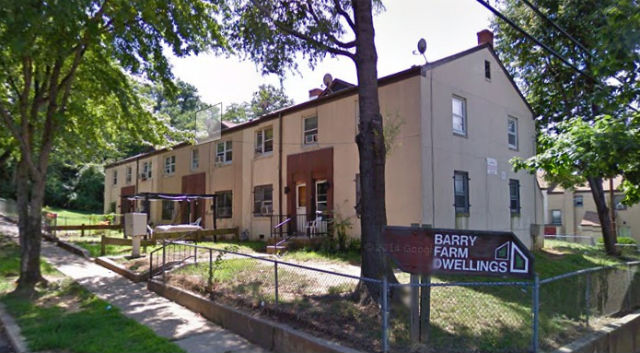
As a recent Atlantic Cities article stated, DCHA estimates that they need $1.3 billion to preserve or redevelop the 8,300 existing affordable housing units in D.C.
Both pots have been “woefully” underfunded the last several years, Todman says—and sequestration hasn’t exactly helped. In terms of operating subsidies, for every $1 DCHA is supposed to receive, via the formula, it’s gotten between 82 and 85 cents.
“Even that $1 doesn’t represent the true cost of running public housing,” she says. “It’s just the formula that Congress uses; It’s not what it takes to make our public housing not look or feel like what we think of as public housing, which is our real goal.”
On the capital fund side, D.C.’s allocation this year was $14 million. As a point of comparison, in the early 2000s, that number was closer to $25 million. So, in essence, the federal share is half of what it used to be to maintain public housing.