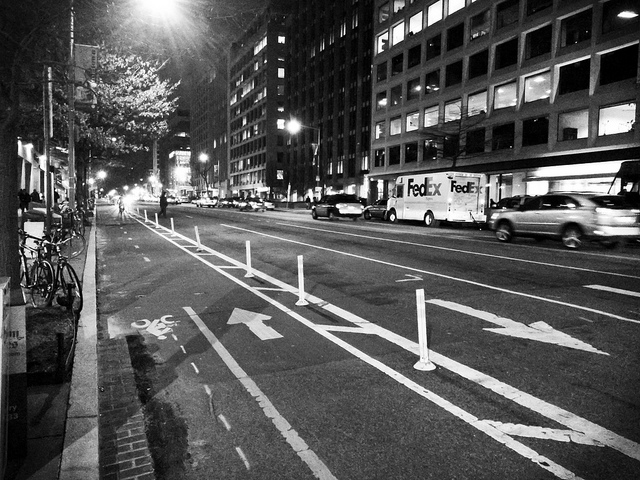
 Photo by thisisbossi.
In the nearly two years since it’s been finished, the L Street cycle track has not only led to an increase in cyclists, but an increase in safety, a new report from PeopleForBikes—a national bike organization—and Portland State University found.
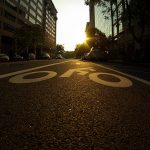
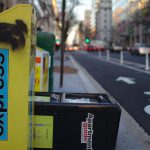
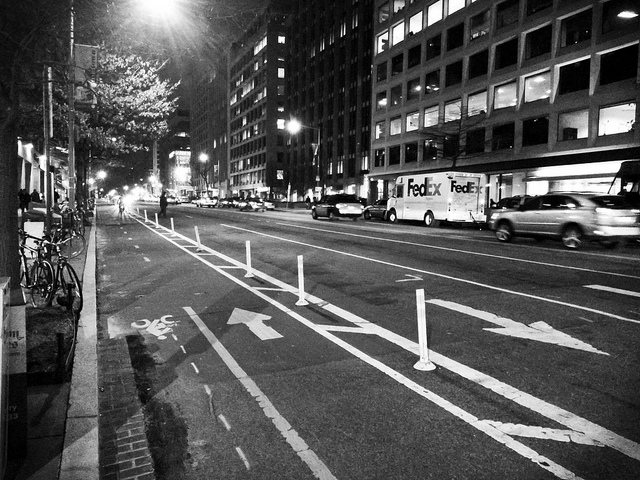
The L Street cycle track—a protected 1.12-mile bike lane—was officially finished and opened for cyclists in late 2012. The cycle track, which runs from New Hampshire Avenue NW to 12th Street NW—separates cyclists from motorists with a three-foot buffer.
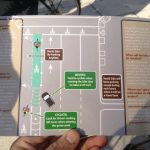
According to the report, L Street has seen a 65 percent increase in bike ridership since the cycle track was completed in late 2012. The study, which was primarily conducted to focus on “intersection design—a critical component of making the protected lane concept functional,” also found that both cyclists and motorists are actually using the turning zones on the L Street cycle track correctly, which is good, considering the confusion the lane initially caused. The report found that 87 percent of turning vehicles used the correct lane, while 91 percent of bicyclists are turning correctly. The report “suggests a clear benefit of the restricted entry approach and creating a semi-protected through bicycle lane.”
Because of the bike lane on L Street, cyclists say that they feel safer on the road. Of the cyclists surveyed, 66 percent said they they feel that their safety has “increased a lot,” while 29 percent feel that it has “increased somewhere.” More over, nearly 30 percent of motorists and 25 percent of pedestrians said that they felt their safety has increased because of the L Street cycle track.
But the L Street cycle track—like many of the city’s bike lanes—aren’t perfect, especially when it comes to drivers using them because they think they can. In an email to DCist back in April, WABA’s Greg Billing said that “there is growing frustration among cyclists who go out of their way to ride on these facilities, and then have drivers parked in bike lanes, to have these negative or even scary interactions with drivers.” There are ways to deal with that, like public shaming, but Billings urged cyclists to call 911 to report these types of situations. Because we don’t need a repeat of this happening.
You can cull through the entire report here.