 Alex Wong/Getty.
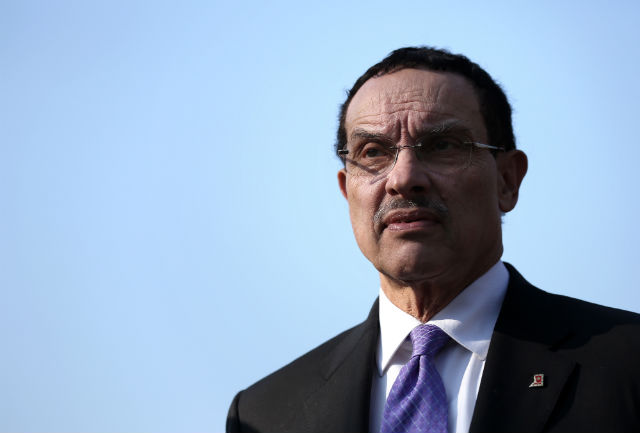
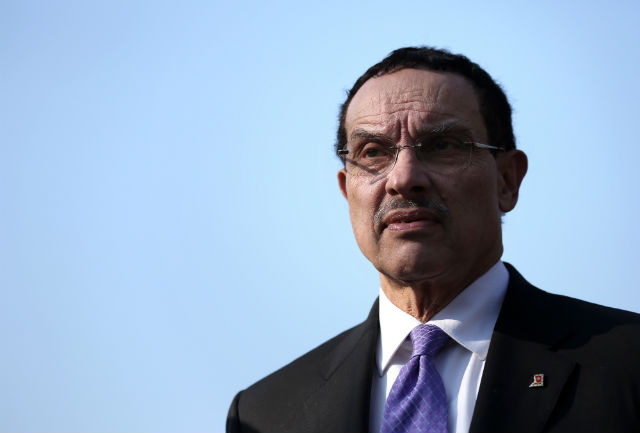
Mayor Vince Gray may be in his peak lame duck period, but that’s not stopping him from laying the ground work for the future of D.C.’s economic strategy once he’s gone.
Earlier today, Gray, along with Interim Deputy Mayor for Planning and Economic Development M. Jeffrey Miller, introduced a new plan to boost the District’s creative economy by way of a “sector-driven roadmap” that aims to generate 10,000 new jobs in creative industries within three years and “expand the city’s tax base,” a release states.
Essentially, the Creative Economy Strategy, which is based on data collected by “internal and external stakeholders within the District,” acts as another roadmap to further Gray’s five-year economic development plan, by boosting sector-driven development in areas including arts and heritage, information and technology, culinary arts, and professional services. It’s no secret that, during his term as mayor, Gray continually pushed to make D.C. an increasingly attractive tech hub for startups and other tech companies.
According to a release, the “visions aim to make the city a national hub for creative startups and entrepreneurs; become a magnet for creative corporations; and foster a resilient, entrepreneurial local arts community.”
Gray cited businesses like culinary incubator Union Kitchen, co-working space WeWork, and Ward 5’s Dance Place, where he unveiled the plan, as examples of the kind of creative economic development the strategy is aiming to bolster.
“The District is home to some of the smartest and most creative people in the world and to some of the world’s richest cultural resources—and my administration believes in doing everything we can to leverage those resources and grow our creative industries,” Gray said in a release. “By taking advantage of the numerous creative assets our city boasts, we can continue to grow and diversify the District’s economy.”
The strategy, which he hopes will eventually create 100,000 jobs and generate $1 billion in new tax revenue, is divided into three parts:
1. Become a national hub for creative startups and entrepreneurs
- By improving access to affordable space and resources.
- By making District bureaucracy friendlier for small enterprises and organizations.
- By increasing funding to bring innovative ideas to life.
2. Become a magnet for creative corporations
- By cultivating a workforce that is attractive to corporations.
- By incentivizing creative corporations to locate in the District.
- By promoting the District’s Creative Economy to attract new businesses.
3. Foster a resilient, entrepreneurial local arts community
- By assisting local arts institutions in developing sustainable business models.
- By mobilizing District resources to support arts and cultural organizations.
- By building connections across creative organizations, businesses and universities.
You can read full Creative Economic Strategy report below:
Creative Economy Strategy of the District of Columbia Full Report_0626