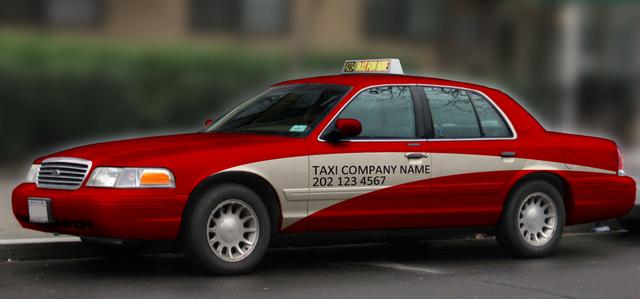
 (D.C. Taxicab Commission)
The city’s Cab Commission is considering the creation of a van service to serve neighborhoods primarily east of the Anacostia River that are underserved by taxis.
DCTC Chairman Ron Linton today announced two new measures that will take effect on October 1 designed at making licensing easier for potential drivers and improving the “efficiency of the fleet.”
A five-day commercial driver licensing process will be instituted this fall, taking the total time down from 60 to 90 days. Linton said taxi companies have expressed a need for more drivers. Applicants will take an exam, that’s immediately graded, and will then undergo an FBI background check.
“That should make it very easy,” Linton said.
DCTC will also activate a program in November that allows businesses to request cabs for a large number of riders. Linton said venues that host event like concerts can register with DCTC for the ability to submit a request for cabs. The request will then be spent via text message to drivers.
“We do not have the authority to mandate a response,” Linton noted.
As was previously announced, selected drivers will begin transporting MetroAccess dialysis patients by standard taxis in October. Patients need to request service one-hour before pickup, as opposed to 24 hours with WMATA, and will pay a fixed cost of $5. The pilot program is expected to save D.C. taxpayers $1.8 million.
These are the latest modernization efforts DCTC is rolling out after a difficult beginning last year that saw the installation of credit card readers and uniform dome lights.
DCTC is using trip information pulled from said readers to study trips in D.C. Using this information, DCTC van see a “host of economic information,” Linton said, and determine “a fair fare … that’s fair.”
Linton said DCTC has also been studying areas underserved by taxis. “One of the perplexing matters has been that we have four or five fairly distinct areas in this city where the people who live in those areas are underserved by public vehicles for hire,” he said, adding that it’s difficult if not impossible to hail a taxi on the street.
The commission is looking to designate service areas, including those “heavily populated by older people … who are frail and low income,” for “DCTC courtesy vans” to serve. Areas, Linton said, where people are trying to go two to 20 blocks, but are unable to hail a cab. This, he said, would primarily mean neighborhoods east of the Anacostia, but also in parts of Wards 5 and 6.
The vans would be driven by independent owner-operators licensed through DCTC, and passengers would be charged a fixed price. Drivers could only serve their designated area.
When asked what would incentivize drivers to switch to vans, Linton said DCTC that’s an individual’s decision. But, he believes, there are already people who live in these neighborhoods who want to drive around their neighbors. “They would chose to enter this service,” he said. The vans may begin operating by next summer.
Linton was also asked about the difficulty black men and women report in hailing a cab. He said DCTC has made a “significant advance of curtailing that activity with the new dome light,” which makes failure to haul easier to identify.
The dome light, part of the initial modernization drivers fought, has also cut down on illegal cabs operating in the city, Linton said. The drivers he speaks to have a “much different response from them two years ago both on the color and the dome light,” he said. “Passengers like it, drivers like what their passengers like.”