A five-year blueprint to transform the vast swathes of industrial land in Ward 5 calls for basic improvements, like adding trees and fixing sidewalks, to long-term plans for more transit, job creation and better air quality.
At a press conference held at New Columbia Distillers in Ivy City, Mayor Vincent Gray said the Ward 5 Works study will make that area of Northeast D.C. “envy of other cities across the U.S.” Ellen McCarthy, the acting director of the Office of Planning, said the area, home to 50 percent of the industrial land in the city, will be “transformed to such a degree that it will be the envy of other Wards.”
“The new industrial revolution is already happening, and with Ward 5 works, we want to lead it,” McCarthy said.
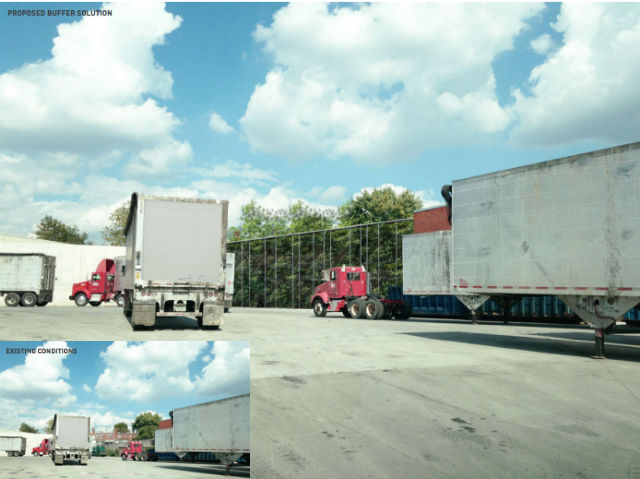
Some of the solutions are simple, like planting trees and installing a trellis to obscure the view of a trash transfer facility. Councilmember Kenyan McDuffie, who represents Ward 5, said smells from the trash facility and from other businesses “impacted negatively” on his constituents’ “quality of life.”
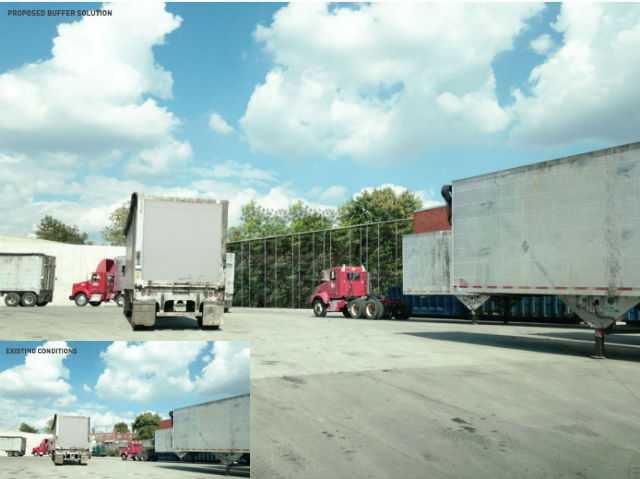
“For too long all we’ve done in Ward 5 is talk about what we don’t want,” he said. “What this was about — we had to take all those years of frustration and turn this into something we do want.”
The plan calls for the creation of an “industrial advocate” who would provide assistance to “production, distribution and repair” businesses that provide entry-level positions with higher wages than retail. More than 500 PDR business operate in Ward 5 at the moment.
“The District should dedicate resources to actively growing sectors (i.e. food industry and green services) within the PDR industry that will diversify the District’s economy, provide low-barrier jobs for District residents and enhance the quality of industrially zoned neighborhoods,” the plan states. “The District would benefit from an Advocate who promotes these uses; links them to District programs and other resources; and helps form public/private partnerships to develop industrial space for both existing and emerging businesses.”
The plan notes that “industrial land and building prices and rents are increasing beyond the level that some industrial businesses can afford, pricing those businesses out of the District market.” This would be addressed through not rezoning industrial land in designated areas. This could include a PDR Business District, where those businesses would be conserved through excluding higher-value, commercial land uses. The four other proposed zoning districts include a Make/Live District, a location near existing transit and retail where waste-related uses wouldn’t be allowed, and the NY Avenue PDR Gateway District, where hotel and commercial uses would be allowed and public art encouraged.
Environmental concerns would be addressed through new trees and tree boxes, stormwater infrastructure, “prohibiting truck traffic in targeted residential neighborhoods” and encouraging transit and bike use.
Near-term transit solutions include increasing Metrobus frequency in industrial areas and installing additional streetlights for pedestrian safety. Mid-term ideas include more bike lanes and designing streets in a multimodal way.
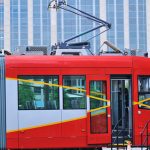
The long-term solutions are more ambitious, but much more uncertain. This include the expansion of streetcar service and adding a Marc station.
Streetcar expansion is in doubt after cuts in the recent budget, as Gray noted. The report also states, “The proposed Phase 2 Plan includes improved service along Rhode Island Avenue and Florida Avenue crossing the study area. However, the construction timeline of Phase 2 remains unclear. It is also uncertain how this anticipated transportation infrastructure will affect Ward 5 and its industrially zoned land. The new premium service will remain at the periphery of the industrial area and will do little to correct the limited public transit to industrial sites.”
The report says the Marc stations has not been discussed with officials from the Maryland Department of Transportation. McCarthy said she’s meeting next week with DDOT to discuss the city’s rail plan. McDuffie noted that the idea came up early in the process and is just one possibility to improve transit.
The entire plan, which is in PDF form, can be seen here.