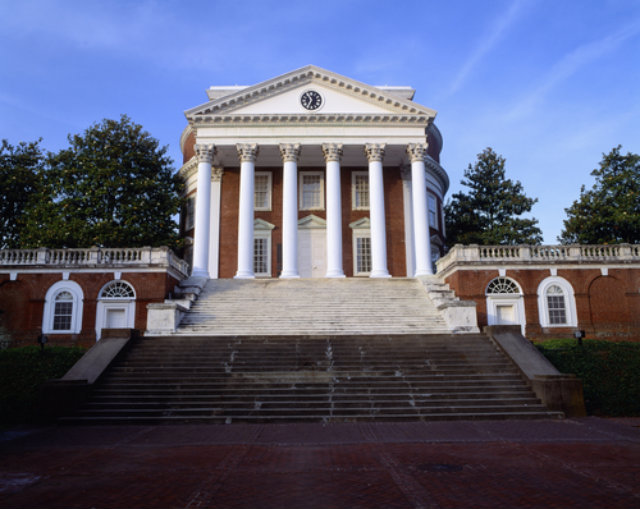
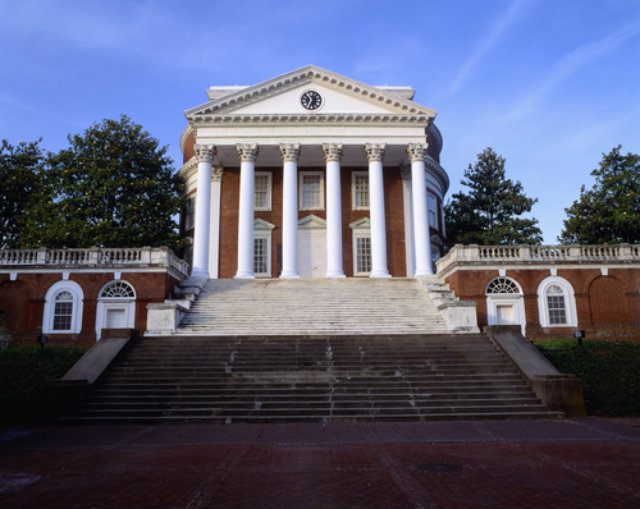
 University of Virginia. Via Shutterstock.
Following several articles highlighting discrepancies in a recent high-profile Rolling Stone article about rape culture at the University of Virginia, the magazine has issued a note to its readers saying they put “misplaced” trust in one of their sources.
The story, “A Rape on Campus,” was first published by Rolling Stone on November 19 by Sabrina Rubin Erdely, and chronicles the rape culture plaguing the campus of UVa. In the article, Erdely tells the story of a woman, identified as “Jackie,” who was allegedly raped by a group of men during a Phi Kappa Psi fraternity party when she was a freshman. Erdely wrote about the pressure put on “Jackie” by members of the fraternity, mainly by a man identified as “Drew,” who allegedly worked as a lifeguard.
In a note to readers, managing editor Will Dana writes that “in the face of new information, there now appear to be discrepancies in Jackie’s account, and we have come to the conclusion that our trust in her was misplaced.”
After the Post highlighted some of the discrepancies in Rolling Stone’s reporting, the Phi Kappa Psi fraternity released a statement rebutting the claims of the article. Meanwhile, the University apologized to the student, suspended all of the school’s fraternities, and promised to investigate the alleged incident.
Here’s the full statement from Rolling Stone:
To Our Readers:
Last month, Rolling Stone published a story titled “A Rape on Campus” by Sabrina Rubin Erdely, which described a brutal gang rape of a woman named Jackie at a University of Virginia fraternity house; the university’s failure to respond to this alleged assault – and the school’s troubling history of indifference to many other instances of alleged sexual assaults. The story generated worldwide headlines and much soul-searching at UVA. University president Teresa Sullivan promised a full investigation and also to examine the way the school responds to sexual assault allegations.
Because of the sensitive nature of Jackie’s story, we decided to honor her request not to contact the man she claimed orchestrated the attack on her nor any of the men she claimed participated in the attack for fear of retaliation against her. In the months Erdely spent reporting the story, Jackie neither said nor did anything that made Erdely, or Rolling Stone’s editors and fact-checkers, question Jackie’s credibility. Her friends and rape activists on campus strongly supported Jackie’s account. She had spoken of the assault in campus forums. We reached out to both the local branch and the national leadership of the fraternity where Jackie said she was attacked. They responded that they couldn’t confirm or deny her story but had concerns about the evidence.
In the face of new information, there now appear to be discrepancies in Jackie’s account, and we have come to the conclusion that our trust in her was misplaced. We were trying to be sensitive to the unfair shame and humiliation many women feel after a sexual assault and now regret the decision to not contact the alleged assaulters to get their account. We are taking this seriously and apologize to anyone who was affected by the story.
Will Dana
Managing Editor