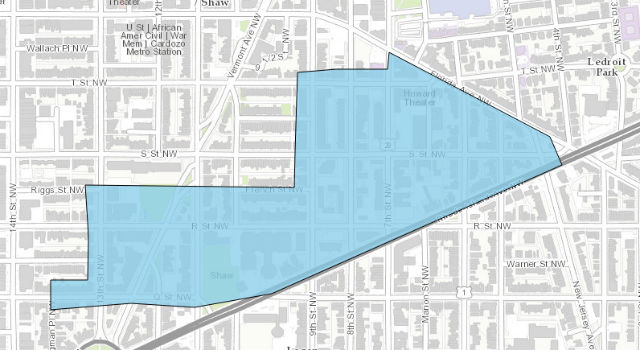
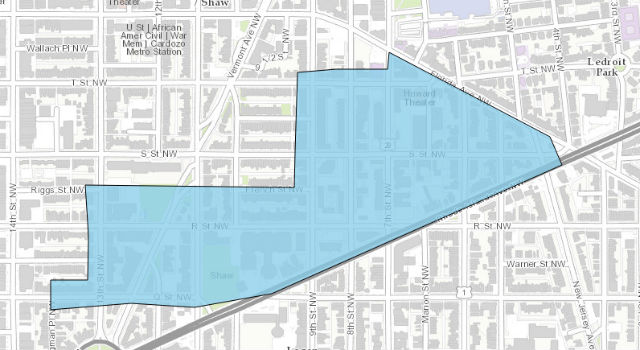
Back in December, residents in a select part of the Shaw neighborhood suffered three days without water. Reports of a strong “petroleum smell” coming from the water prompted DC Water to shut off the water for three days to identify the problem and fix it. They did, but one big question remained: What was wrong with the water and how did it get into water pipes?
Not only is the answer to that question Not Entirely Clear, but it looks as though it will remain a mystery. Today, DC Water released a report on the December incident and concluded that they don’t know how the petroleum odor got into the water.
According to a release, DC Water collected multiple samples where the contaminated water was reported and, after “extensive laboratory analysis” did not come up with any “petroleum-based contaminant,” nor did it “identify a source of the petroleum odor during the inspection of cross-connections at over 140 sites,” which included buildings, homes, construction sites, gas stations, and underground fuel storage tanks in the area.
Naturally, this raises a bunch of questions, which, graciously, DC Water took the time to ask and answer:
Frequently Asked Questions
How is it possible that the laboratory analysis and DC Water’s investigation did not determine where the petroleum odor originated?
Petroleum products are highly volatile, meaning they quickly move from a liquid phase to a gas phase. Because they do not stay in water long it is difficult to “catch” the contamination in water samples collected after initial reports. It is also possible that the petroleum odor originated from outside the DC drinking water system, but the initial investigation suggested that drinking water contamination was possible. DC Water issued the advisory until tests could confirm that the water was safe. Public safety is our first priority, and we acted conservatively to protect customers from any potential health risk.
Could this situation happen again?
The probability of contamination of the drinking water system is low because the system is pressurized, meaning the water is always pushing outwards. We urge customers to report any unusual odors or observations of the water or dumping of any type of chemical in the sanitary sewer by calling the 24-hour Emergency Command Center at 202-612-3400.
While no water system is risk-free, the Washington DC metropolitan area has put a lot of thought, resources, and practice into making the water system as safe as possible. DC Water regularly participates in planning exercises and coordinates with regulators and emergency response agencies to prepare for contamination scenarios. DC Water is proactively working with District partners to expand laboratory and emergency response capabilities for quicker testing and response for future incidents.
Review information about preparing for water emergencies on DC Water’s website.
How did DC Water decide to issue and lift the advisory?
DC Water received customer reports of a petroleum-type odor and conducted field testing with the DC National Guard Civil Support Team and the DC Fire Department. Tests indicated the possible presence of an unknown petrochemical. Based on this information, DC Water and the US Environmental Protection Agency Region III determined that it was necessary to issue the Do Not Drink advisory during the investigation. DC Water sent samples to laboratories at the Washington Aqueduct and EPA Region III Environmental Laboratory at Ft. Meade for further analysis. Water samples were tested on Thursday morning after extensive flushing was performed in the distribution system in the affected area on Wednesday night. Flushing the pipe system involves releasing water from hydrants to remove any possible contaminants and draw fresh water into the system. The distribution system was also flushed on Thursday evening. DC Water, in coordination with EPA Region III, lifted the advisory after these test results confirmed that the drinking water met EPA drinking water standards and indicated that there was no contamination present.
What is the best way to stay informed about DC Water service disruptions that may affect customers?
Customers can sign up for email or text alerts by entering contact information on DC Water’s website. Although some alerts are sent to all customers, DC Water can send alerts to customers in specific locations during repairs or emergency work. Customers can also follow us on Twitter and Facebook to review helpful information and frequent updates.