 Photo by A.J. Cabrera.
This week DCist is getting sprung for spring. All week long we’ll be spotlighting ways to eat and cook the bounty of fruits and vegetables that are finally peeking their little green heads out of the soil.
By DCist Contributor Josh Kramer
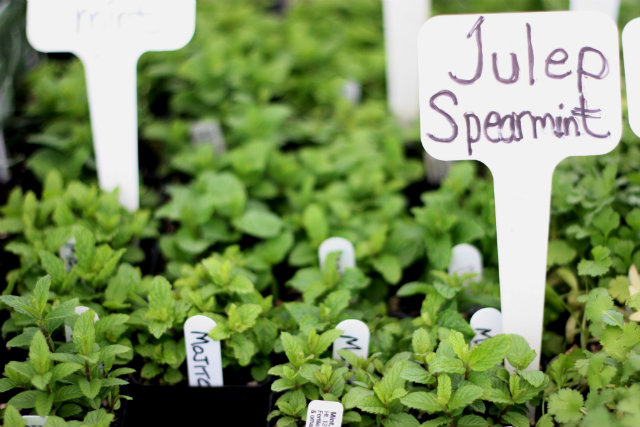
Perfectly timed for the growing season, most area farmers’ markets open with trays of various herbs for a few dollars each. Growing these into larger plants for use in your kitchen takes only a tiny amount of maintenance and know-how.
Why grow your own herbs instead of using dried ones from the store? For one, all the leaf-based herbs in your cabinets are probably too old. I dare you to look for expiration dates or think back and try if remember if you bought them in the last year. Flavor really does diminish in those little containers, making it hard to beat fresh-cut herbs.
Luckily, all it takes to grow your own herb garden is a little outdoor space in full or medium sun. In one particularly small apartment, I even put some plants between the mesh screen and the glass of my window. If possible, it’s best to transplant the little two-inch cubes the seedlings come in to larger pots that allow the roots to grow. Planting in the ground is a whole other subject, but remember to get the soil tested if you do decide to go that way.
Here’s a guide to growing some of the plants available at markets around the city:
Basil: I’ve grown lemon, purple, sweet, and Thai basils all from D.C. farmers’ markets. They’re all great and easy to grow. As much sun and water as possible is great. If you’re planning on making pesto regularly, buy a few plants.
Chives: Chives are one of the easiest to grow and most widely available plants in the onion family. When you need some, simply give the plant a “haircut” with scissors.
Cilantro: Cilantro is the best, unless you’re one of those people. It does best in cooler weather, so get going on this soon. Shade is good, and mulch in the soil helps it cool. Once the soil gets warm, the plant will “bolt” and grow flowers. But keep the seeds from the flowers: that’s coriander.
Sage: Sage is potent but lovely for certain recipes and does well in pots. Mulching with pebbles can help protect the leaves from mildewing in the super-humid summer air.
Mint: Mint grows well. Too well. It’s basically a weed. So cultivate an interest in juleps and mint tea if you’re going to grow mint this season. It’s also nice for tea, along with lemon balm and lemon verbena.
Oregano: Fresh oregano is a treat, but its flavor is lighter and best used at the end of the cooking process. It’s also easy to cut and hang upside down to dry.
Thyme: Thyme is great in containers. They’re “spillers” that grow over the edge of the pot and are very easy to pick. Simply run your fingers along the thin stem and the little leaves go flying off.
Rosemary: An incredible aromatic, rosemary is useful for flavoring all kinds of things. A sprig can improve a roast, stew or marinade. Make a little jar of fresh rosemary, garlic, and olive oil and win the summer.
Stevia: If you’re one of the few people not permanently turned off of stevia by Breaking Bad, you might want to try growing your own. Use the sweet leaves fresh, dried out, or blended into a homemade green stevia powder.
Cat nip: Apparently cat nip makes a decent tea, but the real joy is growing something that will make your cat freak out. Dried seems to work better for this purpose, but it all works.
Epazote: This magical Mexican leafy herb is known for its anti-flatulent effects. Cook a little with your black beans.
Marijuana: This one’s not available for sale, but it’s worth mentioning because D.C. is one of the only places you can grow marijuana in natural light, out in the open. Follow the Green Rush, our very own marijuana cultivation column for future tips on how to grow your own.
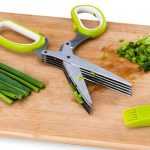
When harvesting your herbs, use leaves off the top and take off flower buds when they appear. An easy way to take cuttings for your meal is use kitchen scissors and a bowl with some water in it. This washes the leaves as you gather them.