 Earth has only seen five mass extinctions — characterized by a loss of 75 percent of current plant and animal species — in the last 600 million years. But guess what? We’re due for number six.
Biologists say it could happen in as few as 300 years. So why do these events occur? What will the next one look like? Is there anything we can do to save the species? All of the questions.
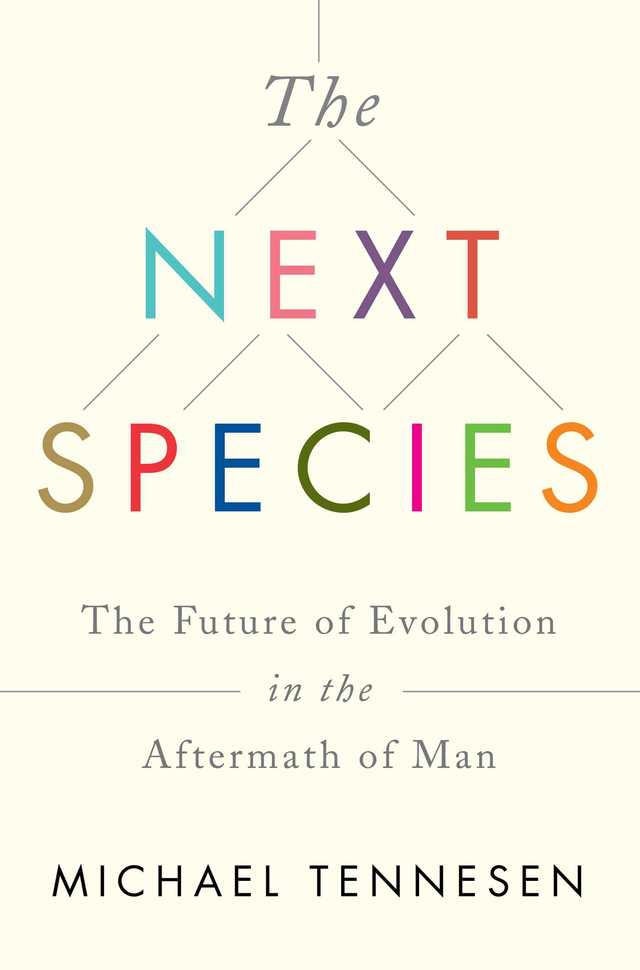
Michael Tennesen answers these questions and more in his new book The Next Species: The Future of Evolution in the Aftermath of Man (Simon and Schuster, $26). He will speak about it at Kramerbooks & Afterwords Cafe tomorrow, May 5th, at 6:30 p.m.
The book’s condensed but rich biography of Earth is crucial in explaining where we’ve been and where we’re going. Tennesen tells the stories of how humans came to understand the planet, starting in the 1400s when fossils were discovered by two Italian fishermen. He discusses the natural disasters that instigated the first five mass extinctions, and how the next one will be different—brought on far more slowly, by human hunting and destruction of habitats.
The Next Species elicits the opinions of experts all over the world, venturing to rainforests, canyons, craters and caves “for lessons in evolution.” The author asks, “Can pristine ecosystems exist in war zones and nuclear accidents? What can 30,000-year-old fossils under Los Angeles tell us about the diversity of life?” And of course, what about the option to escape to Mars?
Tennesen also addresses possibilities usually reserved for fictional plot lines in Tom Cruise movies. If humans as we know them cease to exist, there may be “the evolutionary opportunity for another species of man”, especially if we’re forced to adapt to life on Mars. Or, scientists might “figure out how to upload the human mind, making our bodies obsolete, so that we live on as robots or avatars in a virtual world.”
The best part about The Next Species is how much you will understand without having to be a scientist. Tennesen translates highly technical information into a fascinating, if a bit gloomy, account of our planet. He shows us where nature is delicate and where it is resilient. Each species has the potential to dramatically throw off its environment, and humans won’t necessarily adapt our way out of that. Yet, “evolution has proven for over the last three billion years to be unstoppable,” Tennesen writes. “If you give nature space, it finds a way to persist.”
Tennesen is a science writer who has appeared in many scientific journals, and wrote the book The Complete Idiot’s Guide to Global Warming. He lives in California with his wife, dog, and tortoise.
This talk is free and open to the public.