 Photo courtesy of Dischord Records
By DCist Contributor Alex Tebeleff
It’s easy for music fans to throw around the words “sell out”—it acts as an explanation for why a band’s new record isn’t up to previous standards, why their style changed, or why a lineup change just isn’t quite right. But it doesn’t allow for the complex chemistry of recording, touring, and promoting that more accurately affects a band’s success.
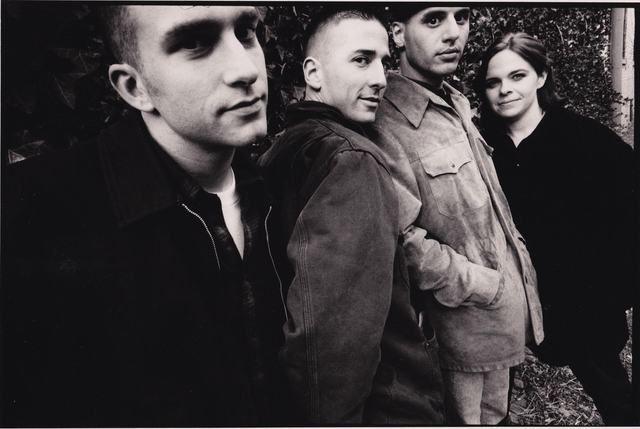
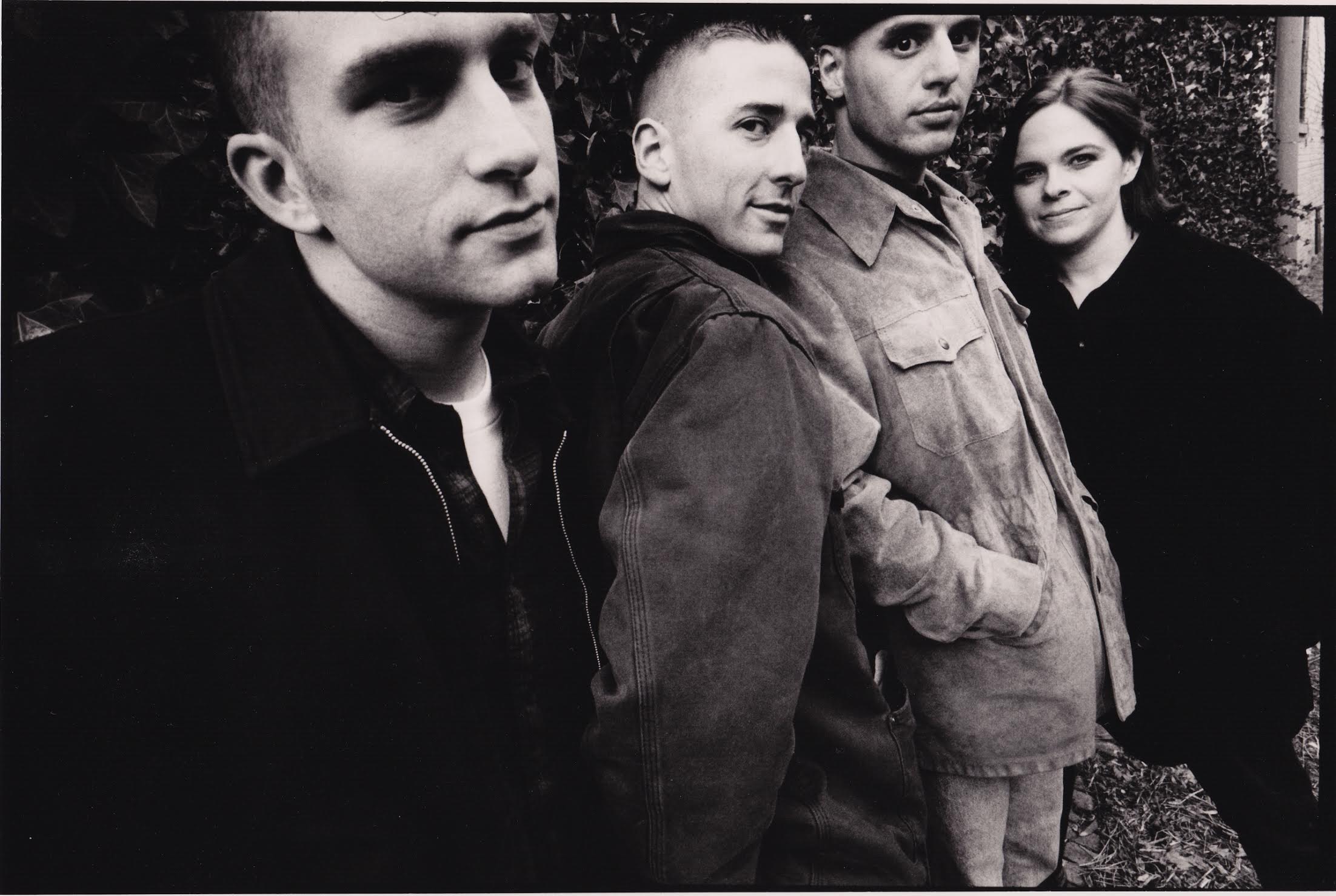
Jawbox’s 1996 self-titled album is the perfect specimen for this theory. It was the group’s fourth and last record, after controversially leaving D.C.’s independent Dischord Records for Atlantic Records. But now, almost 20 years later, Dischord is reissuing the album.
While their third record, 1994’s For Your Own Special Sweetheart, allowed them to explore their strengths and weaknesses as artists, guitarist/vocalist J. Robbins says of its successor, “was made by a band where our strengths and the way that we collaborate were a known entity.” He adds that “the intent of the songwriting was way more conscious; the things we did differently were done for a reason.”
A big part of this musical maturity came from addition of drummer Zach Barocas, who debuted on For Your Own Special Sweetheart. This final Jawbox lineup with Barocas took some time, but eventually bonded and developed some powerful chemistry.
“It was a much more fun record to make.,” Robbins says. “We had confidence we were going to do what was best for the songs. We made the absolute best record we were capable of making at the time,”
Songs like “Chinese Fork Tie,” a song that grew from a Barocas drum-beat, came together quite easily. “Everyone came up with a part and it all fell together.” Robbins explains. It’s a great example of what he calls “the magic of non-verbal communication.” His dissonant guitars, with vocals from Bill Barbot on top, allow the rhythm section to take the lead while contributing aggressive sonic energy and atmosphere.
In contrast to “Chinese Fork Tie” is a song like “Mirrorful,” which did quite well on college radio at the time, and is probably the most well known song on the album. It’s a clear illustration of two very different approaches to writing music.
“Mirrorful” was largely written by Robbins on the guitar, lending it a more accessible and straight-forward arrangement and structure. The dynamic result of combining various approaches to making music is the key to the album’s success. It’s what keeps Jawbox interesting and engaging.
Producer John Angello also played a huge role in the making of the album. “As a producer, I find him to be one of the most inspiring people that I have ever known,” Robbins says. “There’s something about John that just made me feel like I was going to do something great. He’s a great engineer, but there’s something about the vibe that he brings with him that makes you feel like you are going to do your best work no matter what.”
Though Atlantic Records gave the band time and resources for For Your Own Special Sweetheart to develop and grow, it still didn’t help them quit their day jobs.
Though Robbins agrees, “the principal of selling out is 100 percent valid,” he also claims that the benefits are extremely exaggerated. “The notion that anyone got rich from signing to a major label is ludicrous. The deal was actually really great and allowed us to do a lot, but we continued to live in a group house, drive our old van, and I still worked at a book store.”
For Your Special Sweatheart’s underwhelming record sales (by the standards of a major label) led Jawbox to come out on their TAG subsidiary label, which Atlantic claimed was geared more towards developing artists on the label. The label did do a little to push the album, but didn’t give the band the same support as before.
“We were just not a priority to the label. We had to fight a bit to get the record made,” Robbins says.
While making the record was a positive experience for Jawbox, everything else that came with it wasn’t. During the album’s promotion cycle, bigger tours as lesser known openers and uninterested fans led to a lack of fulfillment and Jawbox’s self-titled album became their last.
Luckily, the split was amicable according to Robbins. “It’s better to quit while we really feel good about it. We became aware of the natural stopping point for the band.”
The story of Jawbox is a classic tale of an underground band in a major label promotion system. Those resources that came with Atlantic allowed them to grow as artists and reach a significantly wider audience without having to sacrifice their creative interests in any way. But whether that audience is interested in a relatively unknown band is what determines the ending of the story.
In the end, the more quality art that reaches more people in the world is a good thing. As Robbins claims that Jawbox guitarist Bill Barbot used to say, “If we are on television, at least I know there is one decent band on television.”
Dischord Records and the band’s own DeSoto Records will release the album on vinyl, CD, and digital on September 22nd. You can pre-order it here.