 Photo by LaTur.
A few years back, the Jewish Federation of Greater Washington recognized they had a problem. The organization aims to strengthen ties among Jews in the D.C. area, but they were having trouble reaching certain groups who were unaffiliated with a temple—namely young professionals, interfaith couples, and families with children.
The Federation set out to discover what would entice these people to connect with one another and with their Jewish identity in general. Over the course of two years, they commissioned a company to conduct surveys, interviews, and focus groups on the topic.
Gradually, a consensus emerged: the answer was food.
“There was a sense that food was a way of bringing people in from the margins who may not have recently been connected with their Jewish identity, but it didn’t have the feel of politics or of religious observance that sometimes stratifies the Jewish community or any community,” says Paul Entis, the director of the Jewish Food Experience (JFE), the organization that emerged in response to this finding.
Founded through a grant from the United Jewish Endowment Fund, JFE encompasses a website, local events, food-focused volunteer opportunities, and a micro-grant program. Despite being just two years old, their mailing list is already 35,000 subscribers strong. The Federation itself seems a little shocked by their initiative’s success. At JFE’s two-year anniversary celebration, CEO Steven Rakitt said he’d “never seen anything like this crazy, out-of-the-box idea before” and loves that it’s positioning the Federation as “hip.”
JFE partners with local chefs and restaurants to host holiday meals, happy hours, and cooking classes around the D.C. metro area. Particularly popular last year was Latke-palooza, a Hanukkah celebration featuring all-you-can-eat latkes and sufganiyot, jelly doughnuts. The Heights, Equinox, and Logan Tavern all hosted Rosh Hashanah dinners last month with JFE. Upcoming events include a discussion for women about innovation and tradition in Jewish food (over wine and dessert) and a vegetarian Shabbat dinner for families with kids in Capitol Hill.
On the JFE website, dozens of contributors share memories, recipes, and stories on the theme of food and cooking as a part of Jewish identity. They go well beyond brisket and gefilte fish.
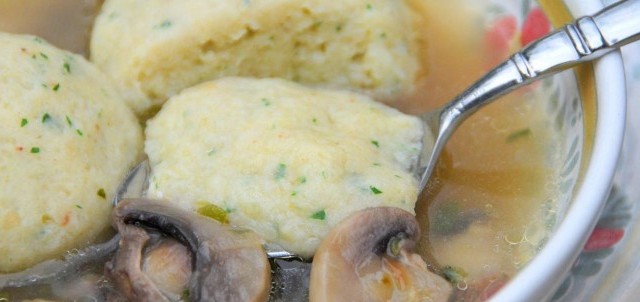
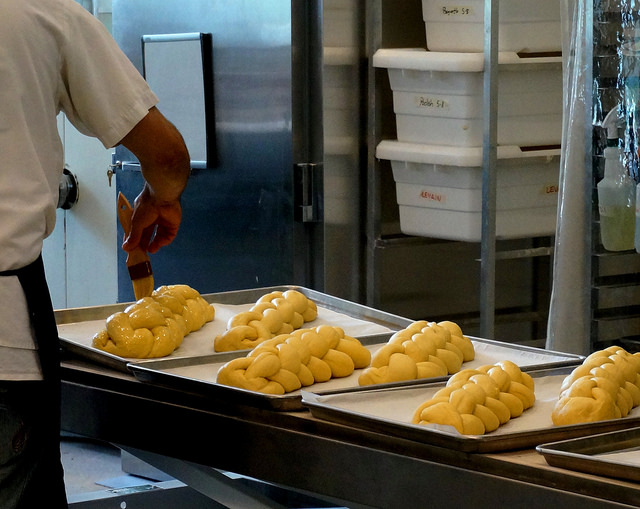
Looking for Slovakian-Mexican Jewish fusion? Try Pati Jinich’s mushroom-jalapeno matzah ball soup. How about a gluten-free fall dessert? Go for Rafi Hakimi’s sholeh zard, or Persian rice pudding. And Sephardic pumpkin challah, pan de calabaza, seems appropriate for October, the height of pumpkin spice mania.
The surveys that led to JFE’s founding also showed that volunteerism also exerted a magnetic pull among unaffiliated Jewish Washingtonians. The organization regularly organizes cooking and serving days at N Street Village, a homeless women’s shelter, among other service-oriented events. “There’s a commitment in the Jewish community to a concept called tikkun olam, or ‘repairing the world,’” says Entis. “Jews are always looking for ways to fix the broken parts of our world, and hunger and homelessness certainly fall into that sphere.”
JFE’s micro-grant program distributes small grants of $100-$1,000 to organizations or individuals to support projects that aim to bring Jews together through food, with an emphasis on reaching new audiences.One of these helped fund the first annual Black Jewish Unity seder, which took place during Passover of 2015 in partnership with several local AME churches, AJC, Sixth and I, and Operation Understanding around the themes of liberation and justice. “Some of the organizers thought it might be difficult to get people to come out for it, but the event ended up selling out quickly and they are looking for a bigger space to host the seder again next year,” Entis says.
JFE’s model has been so successful in D.C. that it’s now being piloted in other cities around the country: Jewish Federations in Austin, Texas; Saint Louis, Missouri; and Orange County, New York will receive training and grants to launch their own JFE branches. “We really hit a nerve with it,” says Entis, the pride evident in his voice.