 Sometime in the past couple of years cookbooks suddenly became cool again. Pop into any hip restaurant, meticulously arranged coffee joint, or artisanal gelato shop and there’s a pretty good chance you’ll see some handsome hardbound copies above the counter or bar. Look closely and there’s an equally good chance that at least one of those volumes will have the name Ottolenghi on it.
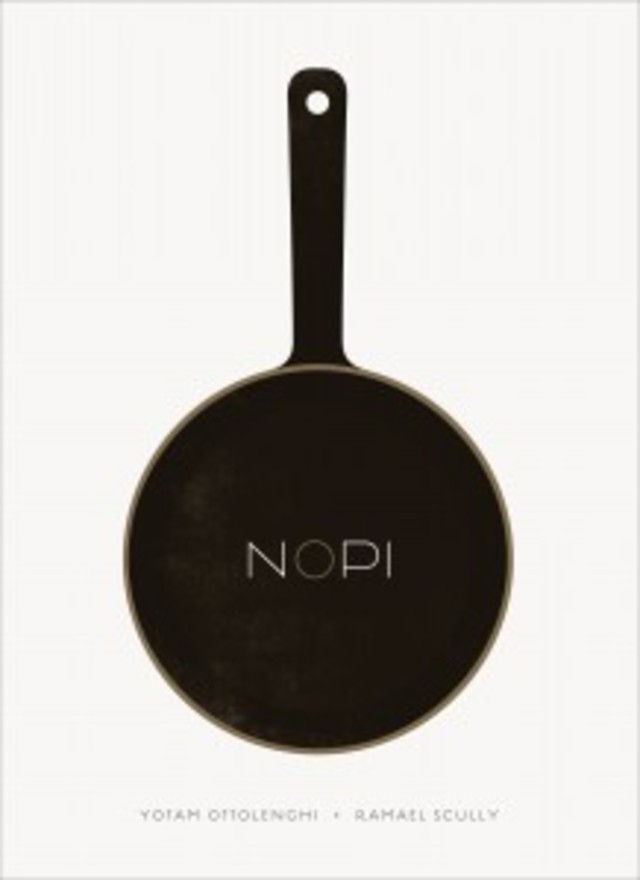
Yotam Ottolenghi, the British-born, Israeli-raised chef and restauranteur whom Wikipedia describes as a “chef-patron” (which is convenient, as I just started accepting offers from wealthy chef-patrons looking to support my writing career), will be at Sixth and I Historic Synagogue tomorrow to discuss his new cookbook NOPI (Ten Speed Press, $40), which launches that same day. Joining him for the discussion will be NOPI head chef Ramael Scully and Atlantic national correspondent Jeffrey Goldberg.
Ottolenghi, whose previous cookbooks include Plenty, Plenty More, Jerusalem, and the self-titled Ottolenghi: The Cookbook, made a splash in the London dining scene with his flavor-forward interpretations of classic Middle Eastern cuisine. His self-named restaurants, all four of which operate as a kind of fine dining/delicatessen/bakery hydra, are known for the juxtaposition of complex flavors with fresh ingredients and relatively simple preparations. This same formula holds true for Ottolenghi’s cookbooks, although recipes can vary between extremely approachable and unexpectedly (and sometimes diabolically) complicated.
Ottolenghi’s cuisine is also known for its heavy use of seasonal vegetables, as well as its broad range of culinary influences. Ottolenghi’s chef-partner Sami Tamimi (co-author of Ottolenghi: The Cookbook and Jerusalem) is Palestinian, and the cookbooks incorporate elements of Israeli, Palestinian, and Christian cooking traditions.
Complimenting this is the food coming out of NOPI, where head chef and co-author Ramael Scully blends Asian, Middle Eastern, and Mediterranean influences. Perhaps the most famous dish to come out of the NOPI kitchen is burrata with blood orange, coriander seeds, and lavender oil, which they state sells over 1000 orders per month. Purchasers of the cookbook can also anticipate recipes such as venison filet with date labneh, lemon sole with purple sprouting broccoli and skordalia, and Urad daal puree with eggplant and mixed Chinese vegetables.
For those interested in how one pairs together cuisines that may seem quite divergent, Tuesday’s discussion may prove to be enlightening, as well as an opportunity to ask about just how one becomes a chef-emperor.
Tickets can be purchased online with or without a book, and all books come pre-signed with no signing afterward. A non-book ticket is $18, one ticket with one book is $40, and two tickets with one book are $50.