Rachel Kurzius
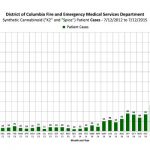
New numbers from the Office of the Attorney General show FEMS was called 580 times in October for a case involving synthetic marijuana in D.C., an average of 18.7 times a day. On one particularly bad day, calls peaked at 31.
These numbers are only a slight improvement from August and September, which both exceeded 600 calls to EMS for synthetic drugs. “It’s overburdening EMS,” says Robert Marus, communications director for the OAG. An NBC4 report found that in September, EMS calls due to synthetic drugs were ten times as common as those due to cardiac arrest. And authorities have tied the brightly-packaged drugs to a number of violent attacks.
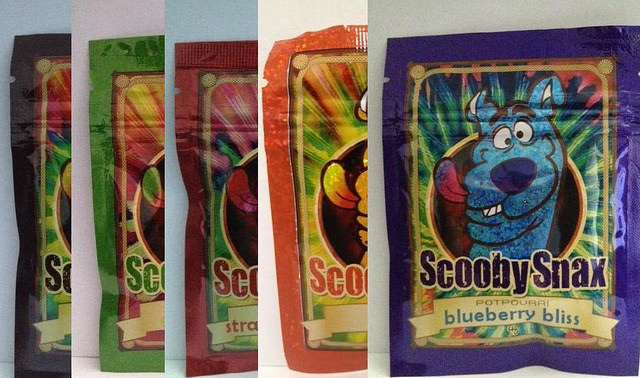
New legislation introduced yesterday by the D.C. Office of the Attorney General would make it easier for police and the U.S. Attorneys Office to deal with the drugs, which are packaged as K2, Spice, Bizarro, Scooby Snax, and Trainwreck.
Called the SAFE D.C. Act, the legislation’s main thrust is to simplify categorizing the drug, which is a chemical designed to resemble THC—the active ingredient in marijuana. However, the synthetic drug shares very little in common with weed.
The way prohibition works is that chemical compounds get added to what’s called the schedule of controlled substances. “The problem is that manufacturers in China are changing one atom in the compound, and now it’s a different drug or substance that’s not prohibited,” Marus says.
While an analog of a prohibited substance can be considered illegal, a court must determine the similarity of the compounds, leading to costly testing and expert witnesses.
“This legislation would circumvent that process, because the scheduling is not moving as quickly as manufacturers are,” says Marus. The constant shifting of ingredients in synthetic marijuana “is one of the things that makes it so dangerous. There’s a crazy set of various reactions.”
Marus says that the OAG focuses on civil enforcement, and ensuring that local businesses aren’t selling the products. Already, OAG has gotten one Petworth shop evicted, stopped two other Petworth stores from selling the drugs, shut down a store in Southeast, and secured a year-long closure on a Bloomingdale store for distributing the drugs.
Earlier this fall, the police busted a Northeast warehouse filled with synthetic drugs valued at $2.3 million, for the biggest seizure of said substances in District history. And Mayor Muriel Bowser signed emergency legislation over the summer to increase penalties for businesses found selling K2 and its ilk.
In addition to stores, Marus says police are also going after street-level dealers. “They’ll buy [synthetic drugs] in bulk, and repackage them as ‘loosies,’ or single cigarettes, and make a significant profit.”