 Photo by Christina Sturdivant
A couple weeks ago, I biked around Shaw. Per usual, my out-of-shape body wanted to stop after about ten minutes. But instead of taking a rest, I throttled.
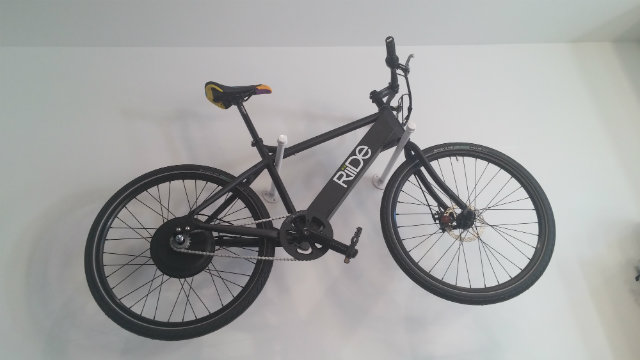
I was testing Riide—D.C.’s electric bike company that launched in January. With its first iteration of bikes, the company raised over $117,000 on Kickstarter and sold 150 bikes through the campaign and website, says Amber Wason, Riide’s co-founder.
With a twist of the handlebar, the bike’s 36V 9ah lithium-ion battery goes up to 20 MPH—without a distracting, high-voltage engine sound—and lasts 25 miles. With an unexpected breeze and sigh of relief, I wanted to throttle the entire time. But Wason suggests using the extra boost to ride up hills and gain speed when needed. Since the bikes only have one gear, throttling is a good substitute, she says.
I’d also recommend coasting when switching between throttling and pedaling so the transition isn’t abrupt.
 Christina Sturdivant on Riide e-bike. Photo by Hamzat Sani.
After her co-founder Jeff Stefanis was introduced to e-bikes in China, he became fascinated with the trend that was emerging in other parts of the world, as well as the U.S., Wason says. And the first time she tested an e-bike, “a lightbulb went off and I knew it would be a game changer for me,” she says, adding that she formerly biked to work on occasion, but her hilly commute from Glover Park to Georgetown prevented her from cycling regularly.
“Both now [as] car-owners-turned-daily-riders, we are so excited to expose more people to ‘riding’ as a means of daily transportation, and share how it can truly transform the way you get around the city,” Wason says.
The duo operates the company full stack—meaning they design, build, sell, and service their own bikes. The bikes are made in a Northeast warehouse and the company’s store is in Shaw. “We want to be close to our customers and our workforce, which means we want to be in the city,” Wason says. “We’re lucky because that comes with so many other benefits: we’re able to create jobs in the community that we serve, and we get to live the urban lifestyle that we promote and support.”
The second production of Riide’s bikes are being delivered now. It’s the time that the company offered a Riide Pass, where customers pay for the $1,999 bikes in $79 monthly installments. With that option, the bikes sold out in a day. The pass also includes theft insurance and unlimited maintenance.
Now, the company is taking reservations for its third round of production, which is slated to be finished in early 2016.
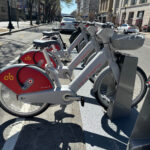
For future installments, Wason says she’s taking suggestions from fellow ‘riiders.’ While the 40 pound bike isn’t as hefty as Capital Bikeshare—and much sleeker—I’d say, the lighter, the better considering I’d have to lift it up a flight of stairs for home storage.
In the meantime, says Wason, they’re challenging folks to test the current bike on their daily commute. “If they’ve ever wanted to try biking to work, we will loan them a demo bike.”