
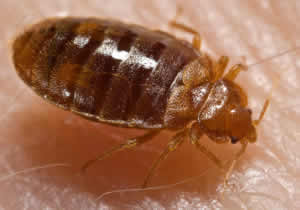
 Photo of a bed bug from Wikipedia
A new ranking may have some Washingtonians scratching their heads. D.C. placed number 3 on pest control company’ Orkin’s Top 50 Bed Bug Cities. Most astounding though is that the District didn’t even rank in the list’s top 10 cities last year, jumping 11 spots from 2015.
D.C. was preceded by Chicago, which has held the top spot for the past four years, and Los Angeles, which jumped two spots from last year. At number four, New York also made a double-digit increase, up 14 spaces from 2015. Columbus, Ohio rounded out the top five.
The list ranks cities by the number of bed bug verifications made and treatments Orkin serviced between January and December 2015.
This December, a bed bug infestation (along with complaints of rodents, mold, and no heat) led 50 activists to a Cleveland Parked house owned by a politically connected developer. They placed lighted placards reading “slumlord” at the home, demanding better conditions at a Congress Heights apartment complex.
But these southeast residents aren’t the only victims of bed bugs, and the District has had the problem for years (D.C. ranked number 6 on a Terminix list of the most bed-bug infested cities in America in 2012). Sightings have been reported at single family homes, hospitals, university dormitories, and even a hotel that once housed the Conservative Political Action Conference. And as if Metro authorities haven’t had enough on their plate, the transit department’s headquarters has also succumbed to the creepy crawlers.
To address the insect issue over the past few years, the D.C. Department of Health (where, you guessed it, employees spotted a bedbug at its North Capitol Street headquarters), has initiated preventive methods to reduce pests, particularly in government owned and operated multi-unit housing facilities for senior citizens and persons with disabilities and private multi-unit apartment buildings.
To do so, the department’s Health Regulation and Licensing Administration has implemented an outreach education campaign to provide training to District residents such as in this January 2015 video where Gerard Brown, a program manager at the department reminds his audience that early detection is key: “If you find them early, then it’s not a lot of trouble getting rid of them, it you wait, you’ve got to throw away all of your furniture,” and a lot of other personal items.