Each month The Federal Forager explores some of the perks, puzzles, and pitfalls of eating and living more organically, locally, sustainably, and creatively in the D.C. region.
By DCist Contributor Bridget Dicosmo
Fresh fruits and vegetables and the dead-of-winter doldrums are concepts that go together about as well as Snowzilla and swimwear. But we know getting plenty of the green stuff—and produce in other bright hues like oranges and reds—helps us safely navigate the worst of cold and flu season. And those newly reinvigorated
federal dietary guidelines don’t go away just because it’s January. Specifically, we’re supposed to take in two-and-a-half cups of veggies and at least two cups of fruit, half of which should be whole fruit as opposed to fresh juice. Unfortunately, the average winter salad can be sort of gross when there’s not much in season, making pizza and pasta far more appealing.
For inspiration on how to amp up your veggie intake during the colder months, I spoke to
DC Greens co-founder and executive director Lauren Shweder Biel. DC Greens helps District residents eat healthier by expanding access to education around food and nutrition. Their Fruit and Vegetable Prescription (FVRx) has provided more than 200 at-risk District residents with prescriptions from their doctors for free farmers’ market produce since its inception in 2012.
What are some options for stretching our budgets when it comes to winter produce?
The best way to stretch your budget in the winter is to plan ahead. Each week during the FVRx program, participants get tips on preserving a fruit or vegetable that’s in season. For example, August is the perfect time to buy seconds of peaches in bulk for freezing and tomatoes for canning. Later in the fall, greens are in abundance and can be frozen for those bleak winter months as well. With those preserved items you can get creative in the kitchen during the winter by combining them with what’s seasonally available like potatoes, onions, and other root vegetables to make soups, stews, and chili.
How should we be prioritizing the various factors to think about when buying produce, i.e. local vs. organic vs. non-gmo?
I think that these are questions that each person really needs to answer for themselves. We are very fortunate in the D.C. area to have so many farmers actively committed to leaving the earth they grow in better than they found it. We encourage community members to get to know the farmers they buy from and learn about their growing practices. Our dollars matter in the local farm economy and through nutrition incentive programs like FVRx and the city’s Produce Plus Program, all D.C. residents are able to make their voices heard by purchasing from local farmers who use sustainable farming practices. But I never get on a soapbox around this issue, because I believe that people’s circumstances really dictate what they can strive for.
What should we be keeping in mind when it comes to the types of winter produce we’re shopping for?
We advocate for being healthy and, when you can, for buying in season. In the winter, that means that potatoes, onions, cabbage, kale, winter squashes, carrots, turnips, parsnips, leeks, beets, and Brussels sprouts are all in season. Plus, apples and pears both store easily throughout the winter months. Food tastes best when it’s in season and when it’s been harvested close to where you shop. Plus, with season-extending farming methods, like high tunnels and greenhouses, we’re able to continue seeing local greens, like lettuce, kale, collards, and chard throughout much of the winter in D.C.
How do we make sure folks in our region have ample access to affordable, nutritious produce during winter months when local options are limited?
As we all know, if you’re trying to eat seasonally, it can be challenging during the winter months. If you’re a planner, this is when you’d be hitting the pantry and freezer for all the foods you “put up” during the summer bounty. Sadly, I am not usually that organized! I am someone who believes that we should not let “the perfect” get in the way of “the good.” If you’re a “locavore” craving citrus in the winter, I say have it. One of the bigger problems facing many residents in the District is the lack of healthy food options within their communities at all times of the year. This is a top-priority issue for food justice advocates in the District.
Can you walk me through how the Fruit and Vegetable Prescription program works: who participates, who benefits, etc?
Through the program, low-income patients at high risk for obesity-related chronic illnesses get a prescription from their doctor. The prescriptions can be filled at any of the 53 farmers markets in the city. A patients’ prescription is based on their family size, with the aim of increasing servings of produce for the whole family. The patients fill their prescriptions at the farmers market “farmacies,” and the farmers are reimbursed for their outlay. Patients come back to the clinic on a monthly basis to refill their prescriptions.
How is the FVrx program addressing the limited supply of local winter produce?
We make sure that the patients receive monthly training on canning, preserving and freezing so that they are able to stretch their FVRx dollars into the winter months. We have also partnered with Capital Area Food Bank in some of the clinic locations to provide bags of fresh vegetables into the winter months to the patients.

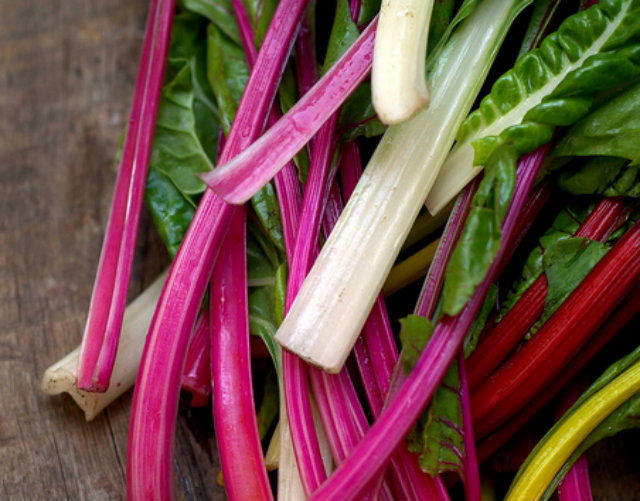
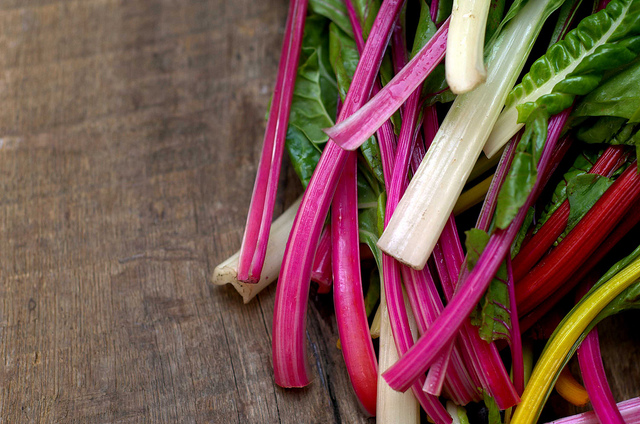 Photo by abrowntable.