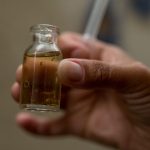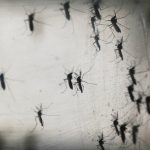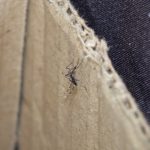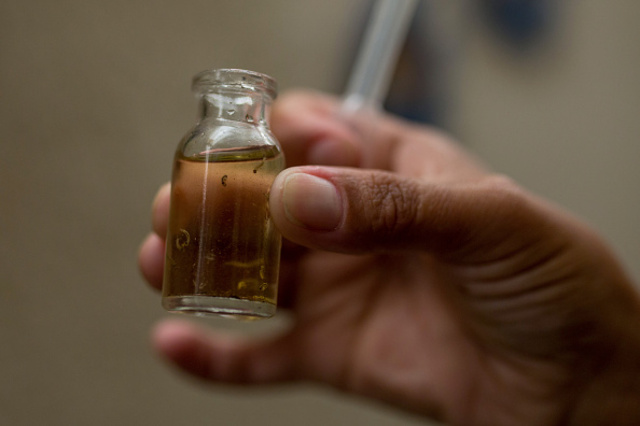
 Photos by Victor Moriyama/Getty Images
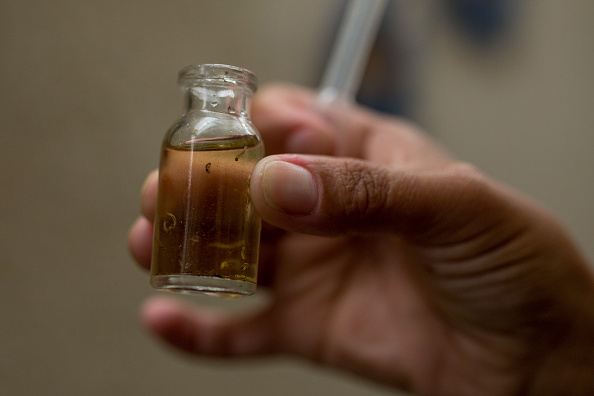
D.C. is ramping up its efforts to keep residents safe from infected mosquitoes. The D.C. Department of Health announced yesterday its “2016 Enhanced Mosquito Surveillance and Control Plan” for trapping and testing mosquitoes throughout the city.
Since 2002, the health department has been executing a plan to reduce the city’s risk of arboviruses like the West Nile virus, which led to a D.C. fatality in 2012. Amid recent concerns surrounding the Zika virus, which the World Health Organization declared a “public health emergency”of international concern,” D.C. is taking extra precautions this year.
The city is extending the time period for trapping mosquitoes. It began yesterday—two months earlier than usual—and will continue through October 28. By beginning earlier, officials may be better able to identify if or when local transmission of the Zika virus occurs in the District, said DOH Director Dr. LaQuandra Nesbitt in a statement.
The Pan American Health Organization issued an alert about the first confirmed Zika virus infections in Brazil last May. Since then, outbreaks have occurred in more than two dozen countries, including the United States. So far, D.C. has confirmed three cases of Zika related to international travel. No cases have been reported where victims contracted the virus locally.
This year, the Department of Forensic Sciences is testing mosquitoes for not only West Nile and Zika, but the Dengue and Chikungunya viruses as well; last year, the agency only tested the insects for West Nile. In addition, the health department will hold community meetings on May 14 and July 16 in each ward to give residents educational materials and mosquito protection kits. They can also go directly to the health department’s office to pick up kits.
And to reduce the overall number of mosquitoes in the city, DOH will put insecticides in areas of standing water and catch basins, targeting young mosquitoes. This part of the plan will take place from May 2 – September 2, when mosquito breeding is most active.
Nesbitt says that residents can help by getting rid of water-filled spaces where mosquitoes can breed, “such as old car tires, lawn figurines, poorly draining rain gutters, discarded cans, and saucers under plant pots.” They can get insecticides from 16 places throughout the city to use on their properties and in their neighborhoods.
And if they don’t want to handle it themselves, residents can report high numbers of mosquitoes or standing water in their neighborhoods to the DOH Animal Disease Control Division.
The Department of Forensic Sciences will provide testing results to DOH weekly, and the public can get results through the health department’s website.
According to DOH’s Zika fact sheet, the most common way to contract the virus is from the bite of an infected mosquito. However, the Center for Disease Control and Prevention confirmed in February that the virus was sexually transmitted in Texas. Some Zika-infected women have given birth to babies who have microcephaly—a defect in which the baby’s head is smaller than expected, and WHO strongly suspects a causal link.
The organization estimates that the virus will infect up to 4 million people by the end of the year in this hemisphere.