Rachel Kurzius
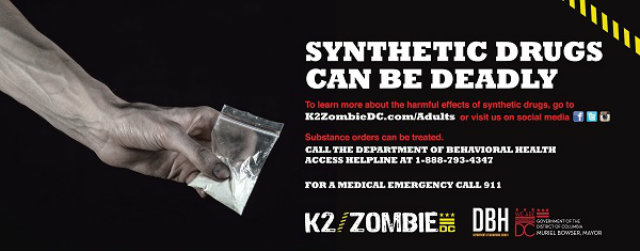 Image via D.C. Department of Behavioral Health.
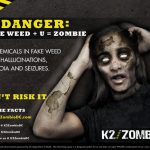
Danger: Fake Weed + U = Zombie is an equation that the D.C. Department of Health hoped would scare kids away from synthetic drugs. And this week the Department of Behavioral Health is rolling out an extension of the campaign for adults, though it features no undead victims of the drug.
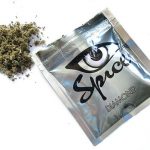
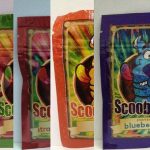
K2 Zombie DC, the health department’s awareness campaign, kicked off in 2013. It focused on warning kids and their parents about the drug alternately known as K2, Spice, Bizarro, Scooby Snax, and Trainwreck. The drug is designed to resemble THC—the active ingredient in marijuana—but shares very little in common with weed.
“We know the immediate harmful effects of synthetic drugs, but what’s even more troubling is that we don’t yet know the long-term impact on one’s mental and physical health,” said Dr. Tanya A. Royster, Director of the Department of Behavioral Health in a release announcing the new campaign. Despite the lack of information available, authorities have tied the drugs to a number of violent attacks, including the fatal hijacking of a Metrobus earlier this month. Court documents say the suspect, Keith James Loving, admitted to smoking K2 and PCP before the incident.
The amount of emergency phone calls regarding the drugs were “overburdening EMS” in the fall, according to Robert Marus, communications director for the Office of the Attorney General. In October 2015, D.C. Fire and EMS received 580 calls about cases involving the synthetic drug, an average of 18.7 times a day. That’s an improvement from numbers in August and September, when the number of calls about synthetic drugs exceeded 600.
Since then, calls per month have decreased, according to FEMS numbers that DCist obtained from the OAG’s office. November through February all had fewer than 200 calls regarding synthetic cannabinoids, and March had 210 cases.
So why is the Department of Behavioral Health launching the ad campaign now?
“Due to all the activity last summer with Mayor Bowser’s emergency bill and then the increase in calls at alarming numbers through September and October, we want to proactively prevent another crisis from occurring this summer and fall,” says Bruce Points, a public health analyst with DBH.