Rachel Kurzius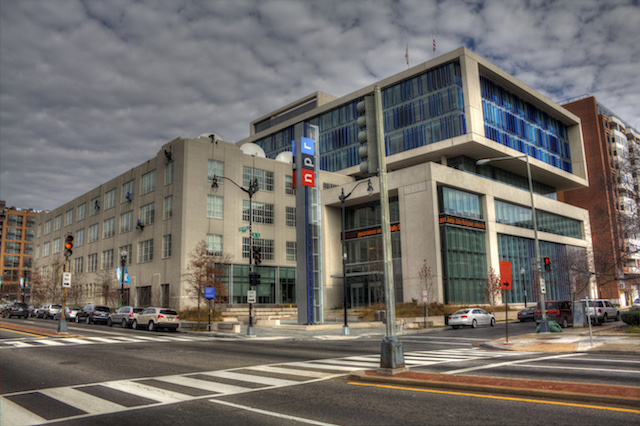
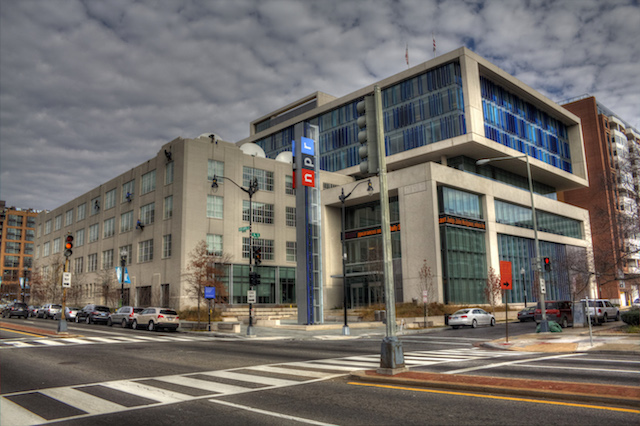 Photo by Ronnie R.
After eight years of trenchant insights from the likes of “Atheist Conservative” and “Grandma_Cool,” National Public Radio just announced that it is getting rid of its public comment section on its website.
“After much experimentation and discussion, we’ve concluded that the comment sections on NPR.org stories are not providing a useful experience for the vast majority of our users,” writes Scott Montgomery, NPR’s managing editor for digital news. “Only 2,600 people have posted at least one comment in each of the last three months—0.003 percent of the 79.8 million NPR.org users who visited the site during that period.”
Additionally, the make-up of the commenters didn’t accurately represent readership as a whole. According to Montgomery, commenters were 83 percent male (based on a Google estimate), whereas overall users were 52 percent male.
Instead, Montgomery says, the publicly-funded news org will focus its energies on social media, special engagement events like the Tiny Desk Contest, its audience relations team and ombudsman, as well as experimenting with new forms of engaging with the public.
The comments section currently has a note stating that “On August 23, we will longer support commenting on NPR.org stories.” That means that, on that date, all of comments will disappear, because they are run through Disqus, a third-party moderating system (that DCist also uses).
An April Fools Day prank in 2014 betrayed a sense of frustration with some commenters’ practices. An article titled “Why Doesn’t America Read Anymore?” said:
Congratulations, genuine readers, and happy April Fools’ Day!
We sometimes get the sense that some people are commenting on NPR stories that they haven’t actually read. If you are reading this, please like this post and do not comment on it. Then let’s see what people have to say about this “story.”
Though the top comments on the Facebook page are in on the joke, initially there were a number of keyboard warriors who took issue with the headline—without clicking through, ironically proving the headline’s point.
In looking at the decision, NPR Ombudsman Elizabeth Jensen notes that many readers had been calling for the change.
“When viewed purely from the perspective of whether the comments were fostering constructive conversations, the change should come as no surprise,” she writes. “The number of complaints to NPR about the current comment system has been growing—complaints that comments were censored by the outside moderators, and that commenters were behaving inappropriately and harassing other commenters.”
Jensen notes that The New York Times, which has “relatively civil” comments, uses “heavy in-house human moderation that costs far more than NPR currently spends on its outsourced system” and only opens a tenth of its articles to comment.
Indeed, it takes work to make the comments work. One of the most famous comment sections, that of Ta-Nehisi Coates’ blog on The Atlantic, spawned careers at the publication. The current Washington bureau chief, Yoni Appelbaum, was discovered by his posts in the section, which had its own “road rules.”
“To be honest, I can’t say how long this will go on for,” Coates told Eva Hollande of Longreads. “It never quite became what I wanted it to be. I never really figured out how to get people from different perspectives in a place without defaulting to these usual conversations.”
A few months after that, near the end of 2015, Coates closed the comment section.
I’d be remiss not to mention our own robust comment section. A minority of DCist readers gather daily to kibbitz among themselves and share gifs. They have their own mores and inside jokes, and even their own “Commentariat Happy Hours.” It’s a community that exists on, though largely separate from, the website.
I’m sure they’ll be chiming in to let us know their thoughts.
Updated to reflect that commenters kibbitz, not kibbutz, with one another, as pointed out by commenter Darth Fabulous.