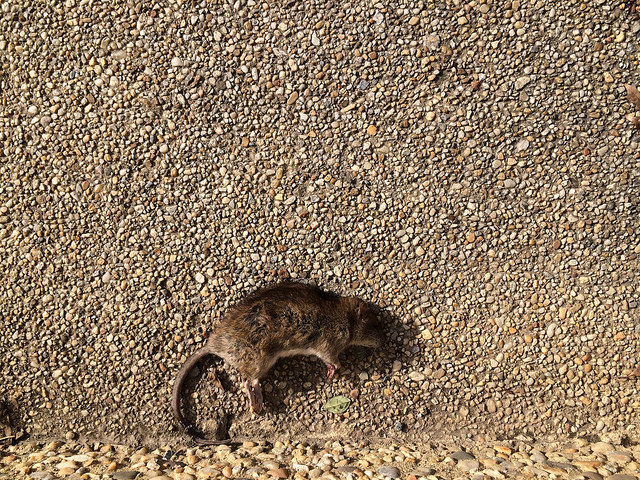
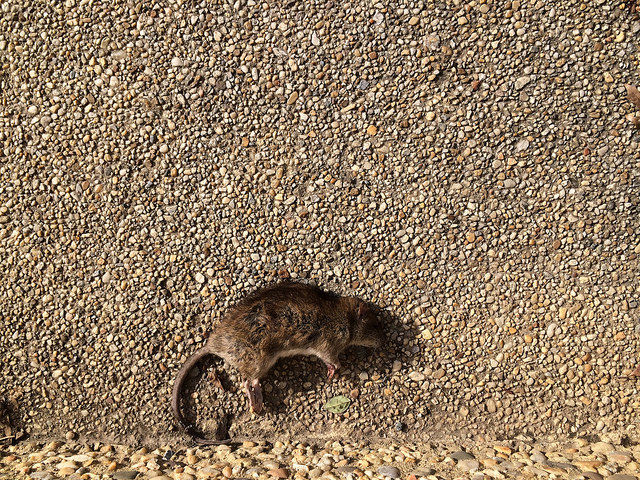
 Photo by nevermindtheend
Feeling frustrated with rats scampering casually strolling across D.C. green spaces as though they own the place? Well, the National Park Service and the D.C. Department of Health have teamed up to work on the persistent problem together.
Beginning Saturday, the health department will deploy workers to the city’s national parks to treat rodent infestations. The agencies say in a release that they’ll tackle rodent issues more frequently with the help of District residents, who can now call 311 to report sightings. In addition, DOH will provide the park service with recommendations for making spaces less accommodating for rats.
“By simplifying the reporting process and decreasing the response time for treatment of affected areas, we are working together toward a rat-free D.C,” said Robert Vogel of NPS.
Why wasn’t DOH been involved before? Because we’re talking about federal parkland. In addition to obvious sites like Rock Creek and the National Mall, NPS controls more than 6,000 acres of land throughout the District, including a number of circles and pocket parks spread out around the city (in response to a request from Del. Eleanor Holmes Norton earlier this summer, NPS released an interactive map of them).
This announcement comes days after Washingtonian published a story about Yelp reviews of the so-called Dupont Circle Rat Sanctuary (the reviews date back to 2014). But NPS spokesman Mike Litterst says the plan has been brewing for nearly two years, “so it was merely a happy coincidence that we were ready to announce it” just as the reports stirred up interest in the historic park.
Among other comments about the “furry city companions” in Dupont, one woman is hoping that officials will get rid of them without harming other wildlife.
Read Angela T.‘s review of Dupont Circle Rat Sanctuary on Yelp
According to Litterst, NPS has used Ditrac, a rodenticide powder, in the past. In addition, officials are testing frozen carbon dioxide, also knowns as dry ice, in some areas to determine its effectiveness.
The health department says it’ll be “reducing rodent activity through proactive surveys, inspections, baiting and enforcement,” said LaQuandra Nesbitt, director of DOH in the release. These and other plans contribute to citywide make up a citywide “Rat Riddance” efforts “that work to minimize the city’s overall rat population,” she says.