 Rachel Sadon
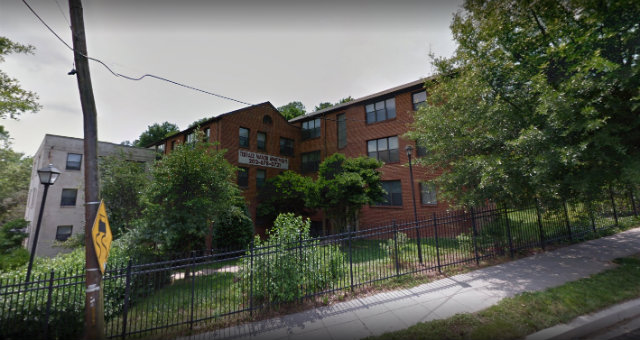 The Attorney General’s Office is suing Sanford Capital over conditions at Terrace Manor in Ward 8. (Photo via Google Streetview)
For the second time this year, the District is suing the same developer over deplorable conditions at an apartment complex.
Citing more than 120 violations of housing code and a “pattern of neglect” at the Terrace Manor Apartments in the Shipley Terrace neighborhood of Ward 8, Attorney General Karl Racine announced a suit today against the owner, Sanford Capital.
“The District is facing an affordable housing crisis, and tenants should not be forced to choose between living in unsafe and uninhabitable conditions or leaving their residences,” Racine said in a statement.
The Office of the Attorney General also filed suit against Sanford earlier this year after a steady drumbeat of complaints about the squalor at four buildings in Congress Heights. Tenants have long believed that the company was trying to drive them out in order to move forward on plans for a new mixed-use apartment complex. Four months later, the parties settled on an abatement plan, whereby the case remains open and the court will receive quarterly status reports to ensure that Sanford complies with the agreement.
Racine’s office alleges that the same kinds of issues that plagued tenants at Congress Heights—rodent infestations, bedbugs, heating and hot water issues—are happening at a second property.
“This is a different property that demonstrates a pattern of neglect that’s similar to what we saw in Congress Heights,” says Robert Marus, spokesperson for the Office of the Attorney General.
There are 61 rental units across 11 buildings at Terrace Manor. “Recurring and continual housing code violations … pose a serious threat to the health, safety, or security of the tenants,” the suit alleges. “Each of the buildings at Terrace Manor suffers from a demonstrated history of neglect and indifference.” When the building was purchased under the Tenant Opportunity to Purchase Act in 2012, people lived in 52 units; today just 14 remain occupied. Sanford Capital could not be reached for comment.
In addition to ensuring that Sanford keeps up the property, the suit is also seeking restitution under the Consumer Protection Procedures Act for rent payments made during the period when the facility was in violation of housing code.