Rachel Kurzius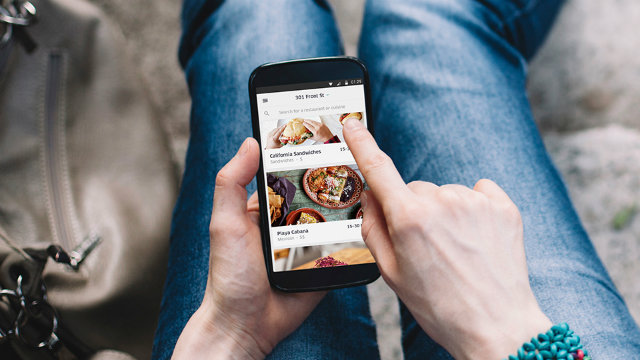
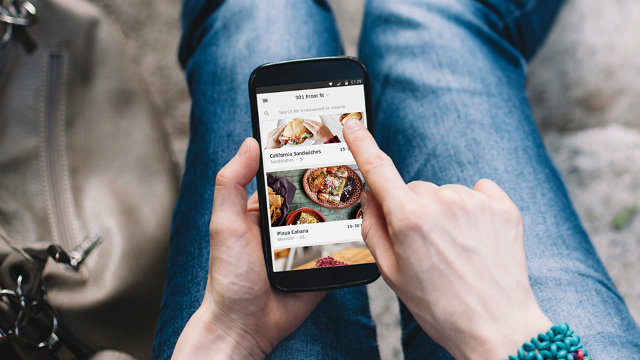 Photo courtesy of Uber
Let’s say you’re craving nachos at your doorstep at the same time as a bunch of other people in the city, or at a time when there aren’t many couriers on the road. Now, you’ll pay extra for those cheesy chips if you order them from UberEATS.
Uber announced today that its standalone food delivery app will require customers “in select cities to pay more for delivery when they order from restaurants in areas where demand is high but delivery partners are scarce.”
According to Uber, D.C. is in the first batch of locations to see the so-called “dynamic pricing” for the food delivery service, along with Phoenix, Houston, Dallas, Miami, and Atlanta.
What that means is that prices increase when there’s additional demand. The company has been criticized for surge pricingits ridesharing service in the past, like when it increases the cost during emergencies or our proud national past time of beginning a new year by complaining about one’s Uber bill.
According to Uber, the “extra money from these orders goes toward financial incentives for delivery partners as well as our other operational costs.” Customers will be able to see the surge price before they make their order.
This news isn’t coming out of the blue. A Venture Beat article in July called “Surge pricing is coming to food delivery” argued that the shift was inevitable. By then, some companies had already adopted it. Back in 2013, Postmates introduced what it called “Blitz Pricing,” which is just surge pricing with a different name.
UberEATS launched in D.C. last March as separate from its ridesharing app. Since August 2015, Uber drivers had been delivering select menu items from a handful spots with “Instant Delivery,” a service that ended this September.
But UberEATS isn’t the only food delivery game in town—even D.C. taxis now serve as food couriers. The question is whether the surge pricing will help Uber meet demand by bringing more drivers to the road or by sending customers to a different service.