 Julie Strupp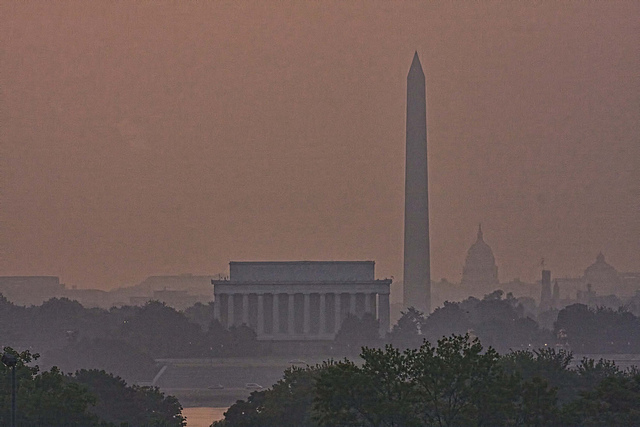
 (Photo by SweetJen34)
District residents should expect more dangerous heatwaves, severe storms, and flooding in the coming years, according to the city’s plan to address climate change released today. And people in Wards 7 and 8 will be the most vulnerable to the hostile effects of a changing climate.
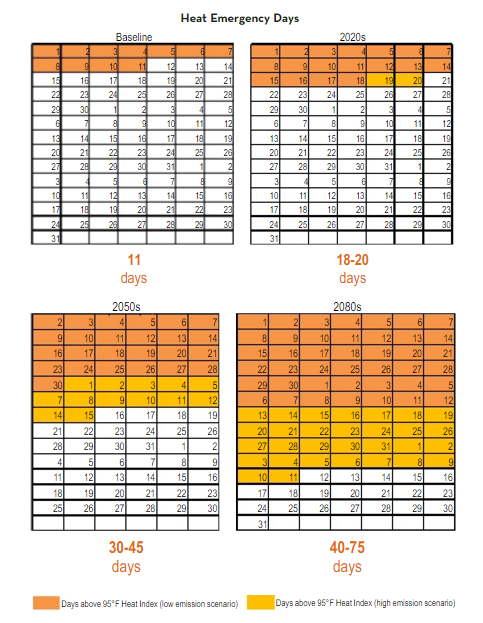
D.C. currently experiences around 11 heat emergency days per year, which could almost double to 20 days by 2020 and spike up to 75 days by 2080, according to the report. Washingtonians should also expect much warmer average temperatures; longer, hotter, and more frequent heat waves; and more frequent and intense heavy rain and flooding.
The city has already begun to see record-breaking heat waves and snowstorms as well as flooding caused by rising sea levels and high rainfall. Climate Ready DC, the city’s readiness plan, looks at current weather patterns and predicts how they will change by 2080. The report, which was developed by consulting with experts inside and outside of District government, then outlines the city’s strategies to adapt.
“It is my responsibility to ensure the District continues to operate and thrive in the face of an array of natural threats, many of which are increasing due to climate change,” said City Administrator Rashad Young, who helped launch the plan this morning, in a press release. “Without action, climate change threatens to disrupt our power grid, harm our economy, and cost lives. Climate Ready DC is our action plan to ensure the continued resilience and vitality of the District in light of these threats.”
According to the report, not all residents will equally bear the burden of climate change stressors. Older adults who are more sensitive to high temperatures and individuals who cannot afford to run air conditioning, for example, will suffer more than those who are able to physically and financially adapt and respond.
“Wards 7 and 8 are most vulnerable given the high rates of unemployment, poverty, obesity, and asthma, as well as a large elderly population,” the report states. “Moderately vulnerable wards are: 5, 6, 1, and 4.”
 (Via the Climate Ready DC report)
All of D.C.’s community resources, such as schools, recreation centers and hospitals, will be at risk by 2080 because buildings are designed to operate under much cooler temperatures. The area with the most at-risk resources, including public housing and medical services, is unsurprisingly the flood-prone Watts Branch tributary of the Potomac in Ward 7. Institutions in downtown and Southwest D.C. could also fall victim to higher sea levels and rainfall.
The city’s vital infrastructure systems, such as Metro, are also at risk. Certain underground stations already flood regularly and will increasingly continue to do so, while above-ground rail lines such as VRE and Amtrak could be damaged by longer and hotter heat waves in the future. Critical bridges that span the Anacostia and Potomac rivers and major highways could be affected by sea level rise and augmented flooding. Several of these bridges currently serve as emergency evacuation routes.
Three of the District’s 19 substations, which provide electricity to the city, were identified as being at risk now and in the future. Most communications systems such as cellular, radio and TV are little affected, but are vulnerable to electric system shortages. Storm water and sewer systems will also be strained with the increased and more severe rainfall.
The report ends with an outline of responses to the problems identified, dividing actions into four main categories: Transportation and utilities, buildings and development, neighborhoods and communities, and governance and implementation. There are 18 broad action items that each include specific sub actions, for example identifying at-risk transportation and utility infrastructure and developing adaptation or retirement plans for those facilities.
Much of the items focus on identifying vulnerabilities, developing action plans to address them, and establishing the appropriate policy and structures so that these adaptations can actually be implemented. It’s worth perusing.
“Climate change will have the greatest impact on our most economically and physically vulnerable residents,” said Courtney Snowden, DC’s Deputy Mayor for Greater Economic Opportunity in a press release. “That is why Climate Ready DC includes strategies that will help build preparedness and strengthen communities while ensuring that our investments in climate resilience create economic opportunities for District residents.”
Crdc Report Final Web by Julie Strupp on Scribd
“>Read the report in full here.