 Rachel Sadon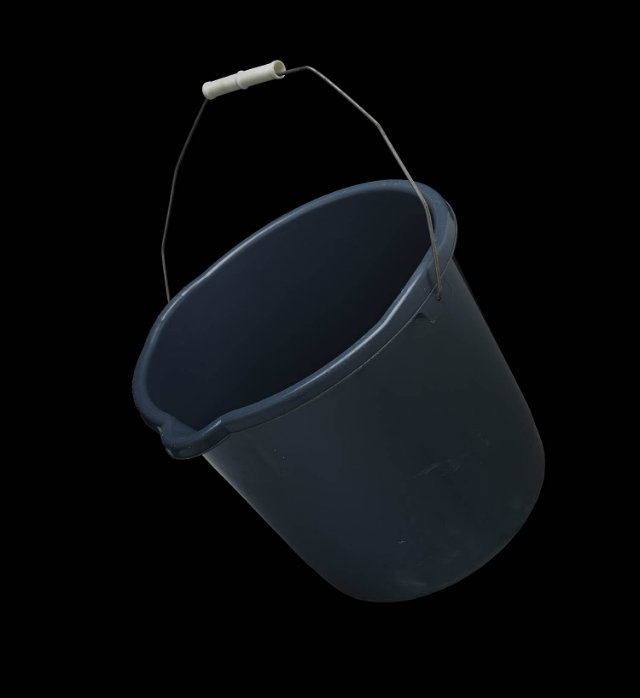
 The bucket used by Jeanette Senerchia in 2014 that helped begin the “ALS Ice Bucket Challenge.” (Photo courtesy of the National Museum of American History, Giving in America)
The Smithsonian is acquiring the ice bucket that launched a million ice buckets for ALS research.
It will go on view at the National Museum of American History on November 29—which is also known as “Giving Tuesday” (following Black Friday and Cyber Monday). The bucket will be part of a new permanent exhibit on “Giving in America,” the Smithsonian Institution announced.
The viral sensation was linked to ALS for the first time when Florida golfer Chris Kennedy participated in the nascent Ice Bucket Challenge—which at the time wasn’t affiliated with a specific charity, according to a TIME account.
Kennedy chose the ALS Association and nominated his wife’s cousin, Jeanette Senerchia. Her husband, Anthony, has ALS. It picked up steam from there, particularly after Pete Frates, a former Boston College baseball player, took part. The challenge is credited with raising more than $115 million, some of which helped scientists discover a new gene linked to ALS.
The bucket that will go on display is the one that Jeanette Senerchia used from the challenge on July 16, 2014.
Anthony Senerchia is expected to be at Tuesday’s ceremony, health permitting.
“Giving in America” will explore “the history of philanthropy’s role in shaping the United States,” the Smithsonian says. The exhibit will be centered on four questions (“Who Gives?” “Why Do We Give?” “What Do We Give?” and “How Do We Give?”), along with a yearly topic (the first is “Sustainability and the Environment”).
The bucket will be on view for at least a year, possibly longer, according to a Smithsonian spokeswoman.