If you were looking to dine in the northeast neighborhood of Ivy City a year ago, the options would have been slim. Now, in the span of a few blocks, restaurants of all types are sprouting up. Diner milkshakes, Turkish pizza, fresh grilled fish, and rooftop bars to complement the local distilleries have opened in the last 12 months.
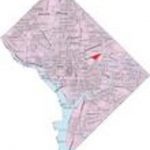
In fact, Ivy City’s small region off of New York Avenue, sandwiched between Brentwood and Gallaudet University, has all the makings of a neighborhood on the culinary rise.
The expanding food scene owes much of its momentum to the redevelopment of the historic Hecht Warehouse at 1401 New York Ave. NE. Built in 1937, the building stood vacant for decades before opening two years ago as a center for apartments, retail, and food.
One of the first restaurateurs on board in the new space was Ari Gejdenson, founder of Mindful Restaurant Group—the force behind spots like 14th Street’s Italian eatery Ghibellina—who snagged room for three restaurants: Ari’s Diner, Mexican eatery La Puerta Verde, and soccer bar Dock FC.
Gejdenson says it’s a little nerve-racking to start the new endeavor, but he grew up in Northeast and was always looking to open a restaurant close to home.
“This building was vacant for 40 years,” says Gejdenson. “To be siting here seeing people eating—this is a dream.”
Ari’s Diner opened in December as an ode to the first restaurant Gejdenson owned at age 20—a diner in Florence, Italy. Fans of Ghibellina will recognize some Italian-inspired favorites served after 4 p.m., like baked meatballs with Parmesan cream or slow-simmered Tuscan beef ragu. Stacks of blueberry pancakes ($5-$8) and avocado toast ($6) on a full breakfast menu accompany boozy milkshakes and Jones soda on tap.
Next door, Dock FC and La Puerta Verde share a kitchen run by Carlos Camacho, former executive chef of Chef Geoff’s at Tysons Corner, who puts out orders of grilled guacamole and house-made tortillas. The sports bar is inspired by Gejdenson’s years as a professional soccer player.
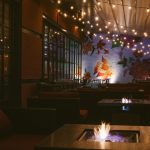
The history of the Hecht is preserved in La Puerta’s 16-foot concrete ceilings and exposed pipes, while pops of color come from thousands of Mexican tiles. The menu is a pricier version of many classic Mexican spots (house plates run $18-28), but La Puerta looks to appeal to fans of both the contemporary and the traditional—try esquites con camarones ($12), a grilled bread topped with sautéed shrimp and corn in a rich butter and tequila sauce, beef skirt steak ($26) grilled to tender perfection, and $10 margaritas infused with a mezcal smokiness.
As with any gentrifying D.C. neighborhood, the expansion brings a series of contrasts. The sparkling tile of Ari’s Diner is across the street from Louis’ Restaurant and Carry-Out—an Ivy City mainstay since 1988 that shuttered its doors at the end of last year.
Greg Casten, owner of seafood company ProFish, which has operated in the neighborhood since 1988, says the development is overdue. Ivy City has a lengthy history of manufacturing, but once the Hecht Warehouse opened, the neighborhood began to change from industrial to residential.
“We’ve been here for 30 years and have seen it grow a lot,” says Casten. “But it is a tight-knit community with fourth and fifth generation folks living in the same blocks.”
ProFish rode the wave of changes with the expansion of a restaurant in 2016. Ivy City Smokehouse Tavern and Market (1356 Okie St. NE), as one might guess, boasts a wide seafood menu where the fish is always grilled, never fried.
Many of the newcomers are also looking for ways to integrate and give back to the community. At Pidzza (2000 Hecht Ave. NE), a fast-casual Turkish pizzeria owned by Koray Bozkurt, general manager Nicholas Acker wants to make his pies available to more people.
In Turkey, he says, there’s a tradition of paying for the next customer’s meal. Diners can order the pizzas—made long, skinny, and flat with twisted edges and toppings like garlic cream cheese sauce and sweet peppers—for themselves or put in something extra (and write a personal message on a pizza box) for the next diner who can’t afford a meal.
Gejdenson is partnering with organizations like Food for Life to provide a job-training program so that new hires can learn the ropes for future culinary careers. Ivy City Smokehouse also gives priority to local residents when hiring and provides space for community events.
The neighborhood is also an ideal home to distillers and brewers—including One Eight Distilling, Atlas Brew Works, and Republic Restoratives, the first women-owned distillery in the District—that supply many of the blocks’ bars.
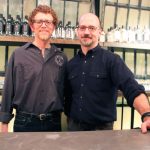
John Uselton, co-founder of New Columbia Distillers, the first distillery to open in the District in nearly 100 years, has watched Ivy City’s liquor scene expand and foot traffic increase since he opened in 2012.
“People used to wonder, who is going to come here?” says Uselton. “Just like the rest of D.C., it’s exciting that there are more options, but there’s always the flipside of gentrification. We want to be able to have this neighborhood be inclusive of people who’ve been living here for a long time.”
Chef Matt Baker, the force behind highly anticipated Gravitas, was looking to “be integral in bringing the neighborhood together,” rather than setting up shop in one that was already highly developed. The restaurant, expected to open this summer, will boast a rooftop garden with a dual purpose: Baker and his team will create a seasonal tasting menu each week using the garden’s harvest, as well as provide a community CSA program for residents in the area.
On Sunday nights, Baker plans to offer a $40-50 family-style meal highlighting the culinary skills of someone in the immediate or surrounding community, such as a local fisherman or beginner sous chef. Though he is a bit worried about the lack of Metro access, he plans to look at options for providing transportation to employees.
“The fact that I was delayed six to eight months allowed me to spend some time meeting other business owners and community leaders,” Baker says. “These are people that love this neighborhood and want see it thrive and become successful.”
Pia Carusone, co-founder of Republic Restoratives, has also watched the transformation since 2013. She and co-founder Rachel Gardner were one of the first businesses in the neighborhood when few people outside the area had heard of it. On March 26, they will be launching their third product—a rye whisky.
But with large companies moving in and real estate prices rising, even in Ivy City, Carusone worries about the barriers of access for smaller business owners, as well as residents.
“I’m concerned that a lot of good ideas and businesses that would add to color and flavor to the city, make it a place where creative people can flourish and make the culture here what is, I worry that is slipping,” she says. “There’s very little of the District left that you can rent and own. I would hate to see Ivy City get stuck with a bunch of big box stores. I look at what we’re doing, what Union Kitchen is doing, and I think they’re really different.”