
 Rachel Sadon
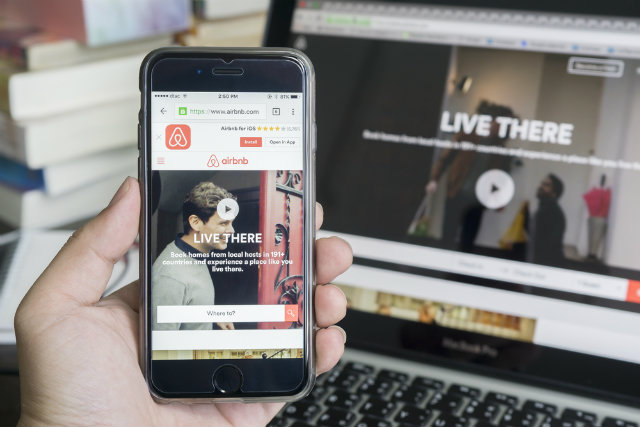 Photo via Shutterstock
As has been the case in cities around the country, issues around Airbnb and other homesharing services that have simmered for years are heating up with new legislative and legal battles.
D.C. Attorney General Karl Racine announced a lawsuit yesterday against Ginosi USA Corporation, alleging that the company and the managers of four of its properties in D.C. have been illegally converting apartments into short-term rental units.
“We will aggressively pursue individuals and companies that seek to circumvent the District’s rent-control laws, and we are actively investigating other instances where apartment managers or owners are treating rent-controlled apartments like hotel rooms and renting them out on sharing-economy platforms,” Racine said in a statement.
Under the Rental Housing Act of 1985, the suit reads, it is illegal to convert apartments into a “hotel, motel, inn, or other transient residential occupancy unit or accommodation.” It also argues that regular renters at the Phoenix, Mass Court, Rodney, and View at Waterfront are “misled when they are not informed that large portions of their buildings will be operated like hotels.” And two of the properties are rent-controlled, according to the attorney general’s office.
It isn’t the first time that individual proprietors have been targeted. In December, housing activists and Ward 1 Councilmember Brianne Nadeau held a press conference in Columbia Heights denouncing a host who listed apartments in rent-controlled buildings on Airbnb and VRBO. “I actually paid for the rental what most people pay in that neighborhood for an entire month,” one activist told the Washington City Paper about a “sting operation” that highlighted the practice at the property.
But the bigger debate is playing out on the D.C. Council, which is considering a bill to place new limits on Airbnb and similar services.
Under the legislation, D.C. hosts could only rent one property—the place where they actually live—and they’d have to get a special business license to do so. Unless the host is present during the stay, they could only rent it out for a maximum of 15 cumulative nights each year.
Deep-pocketed businesses and interest groups are joined by regular residents on both sides of the debate. A hearing about the bill started at 11 a.m. and it is still ongoing.
One the one side are activists who are concerned about the city’s housing supply; each apartment taken off the market for short-term use puts further pressure on the already-squeezed rental market, driving costs up. Even more dismaying, they say, are operators who convert units from the dwindling supply of affordable and rent-controlled housing.
“The city lacks a coherent regulatory scheme for short-term rental housing, allowing bad actors to take those units off the housing market,” Ward 5 Councilmember Kenyan McDuffie said when he announced the bill.
In the past four years, the issue has vaulted from consternation on local listservs to an issue that affects a significant number of people. In 2016, nearly 300,000 people used Airbnb alone for stays in Washington, D.C.
For its part, Airbnb has said it is open to being regulated, but argues that McDuffie’s bill goes too far. The company recruited dozens of hosts to testify today about the service’s benefits, with some testifying that Airbnb has enabled them to stay in gentrifying neighborhoods. This follows an advertising campaign the company launched in the area in September has hosts saying that Airbnb is “keeping people in their homes.”
Airbnb isn’t the only company that’d be affected. The legislation would be even more onerous, as WAMU reporter Martin Austermuhle points out, for services like VRBO and HomeAway, which only do whole-home vacation rentals.