 Julie Strupp
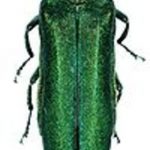
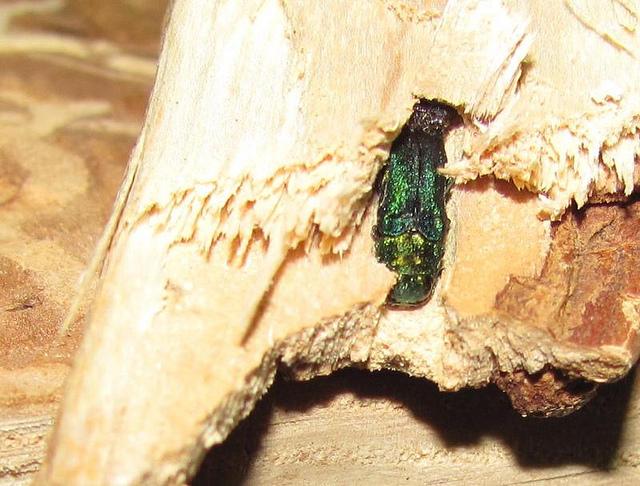 Emerald Ash Borer discovered in wood. (Photo by Susan Greenhouse from California Department of Fish and Game)
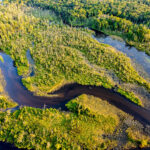
Theodore Roosevelt Island has reopened today after closing at the end of June for diseased tree removal, the National Park Service said today.
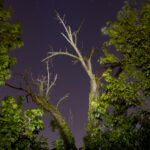
A recent survey of the island park found extensive damage to some trees caused by an invasive beetle known as the emerald ash borer, according NPS spokesperson Aaron LaRocca. About 200 diseased trees, most of which were ashes, were removed.
The ash borer is a non-native beetle that is highly fatal to trees, usually killing them within two or three years after infection. The emerald ash borer larvae eat through the section between tree bark and its core, an important part of the plan that transports nutrients. Once a tree is infected with these larvae, the nutrients can no longer flow properly and the plant becomes dry and brittle. There is no known cure.
NPS closed the park on June 26 to remove diseased trees in order to prevent them from infecting healthy ones. The 88-acre island has many infected ash trees, and it’s not the only park in the National Capital Region struggling with this problem.
“Ash trees are pervasive all through the mid-Atlantic, so this is not just a [Theodore Roosevelt Island] problem, this is a people’s backyard problem,” says LaRocca. “When trees are affected they become very brittle and break easily, so it’s also a safety issue.”
D.C.’s ash trees have been battling the emerald ash borer for more than a decade now, and the fight is starting to take a toll on their numbers. In data collected from 2009 to 2016, the total number of white ashes has declined by a quarter in some parts of the region. NPS is planning more diseased tree removal on the Island that will necessitate intermediate closures, but nothing as lengthy as the recent work.
There are a few ways to determine if your tree is healthy or not. Woodpeckers often attack ash trees to get the larvae inside, producing holes and scarification called “blonding.” Another sign of infection are the squiggly routes the larvae carve under the bark known as “galleries.” In order to help prevent the spread of this beetle and other pests, the NPS rangers say to buy firewood from the area where you intend to burn it and never bring firewood from home when you travel.