 Rachel Sadon
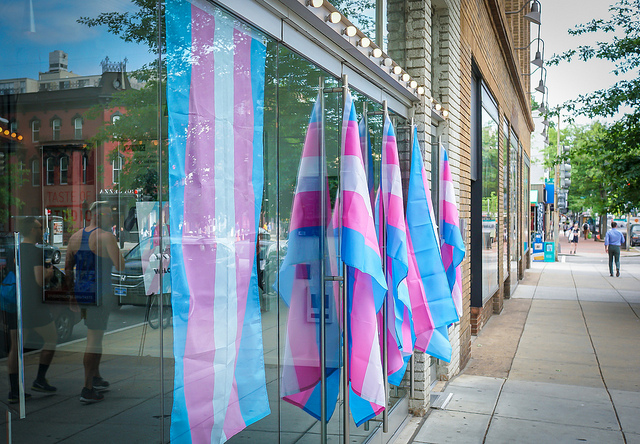 (Photo by Ted Eytan)
The largest national survey to ever document the lived experience of transgender people quantifies dismaying rates of discrimination. In D.C., more than 10 percent of respondents experienced homelessness in the past year, over 40 percent reported a negative experience at a healthcare provider, more than 50 percent said they had avoided a public restroom in the past year for fear of a confrontation, and over 60 percent said they would feel uncomfortable going to police for help.
Results of the 2015 U.S. Transgender Survey were released at the end of 2016, but a new state-level breakdown provides additional insights that shed light on the difficulties facing the transgender population even in a city with some of the strongest protections in the country. Gender identity has been a protected class in the District for over a decade.
Whereas the overall homelessness rate in the District is just over 1 percent, about 11 percent of people who responded to the survey said they had experienced homelessness in the past year, and nearly a quarter said they had experienced some form of housing discrimination in the same period.
At doctors’ offices, 43 percent of respondents said they experienced some form of discrimination, while nearly a quarter avoided seeing a healthcare professional for fear of such mistreatment, and 32 percent couldn’t afford to go at all. 11 percent reported that a counselor or other professional tried to dissuade them from being transgender.
The findings on workplace discrimination mirror anecdotes and a first-of-its-kind local report. About a quarter of respondents said they had been fired or never hired in the first place or mistreated on the job due to their gender identity.
Although D.C. has had a law on the books guaranteeing access to gender neutral bathrooms, 8 percent of respondents said they had been denied access to a restroom and 10 percent said they had been verbally harassed while accessing a restroom. In incidents two summers in a row, for example, staffers at a public pool misgendered and harassed transgender visitors. Such incidents led a quarter of respondents to limit the amount they eat to avoid having to use the restroom, and nearly 60 percent to avoid using a public bathroom.
Of respondents who interacted with police, 44 percent said they had negative interactions. More than 60 percent said they would feel uncomfortable asking an officer for help.
Only 16 percent of respondents reported that all of their identification matched their gender identity and preferred name. The study was conducted in 2015, after D.C. passed a bill to protect the identity of transgender individuals after name changes but before D.C. became the first jurisdiction in the country to offer a gender neutral option on licenses.
USTS DC Report by Rachel Sadon on Scribd
Previously:
Bowser Takes A Trip To The DMV, Highlighting The Agency Driving New Progressive Policies
Transgender Service Members Share Their Stories At White House: ‘Our Patriotism Shouldn’t Have An Asterisk Next To It’
Transgender Activists Respond To Attacks, Demand City Bolster Protections
Study: 2.7 Percent Of D.C. Residents Identify As Transgender
D.C. Releases Guide To Prevent Discrimination Against Transgender Employees
‘I Don’t Think You’d Be A Good Fit’: Experiences Of Transgender Employment Discrimination
Report: Transgender Job Applicants In D.C. Face Staggering Discrimination Rates
National Survey Aims To Document The Everyday Lives of Transgender Americans