 Jordan Pascale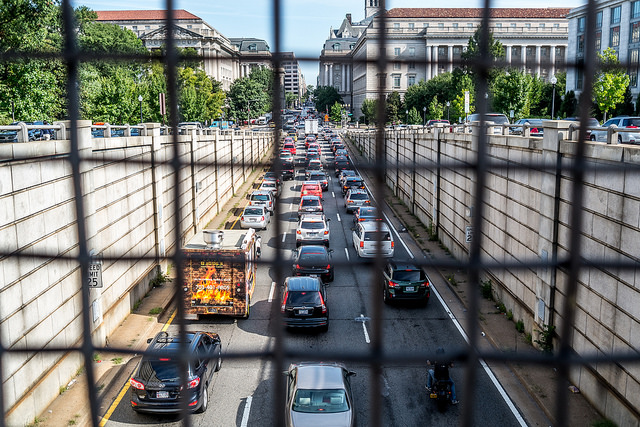
 (Photo by Phil Roeder)
Patience.
You’re going to need it if you’re traveling this Fourth of July holiday.
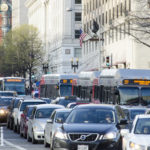
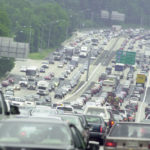
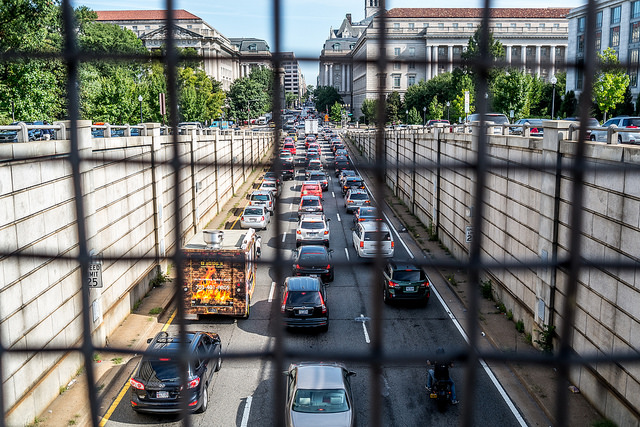
AAA reports travel times on Tuesday will be four times longer than an average weekday.
Nearly 1 million Washington area residents are expected to leave the city.
The worst traffic will be from 4 to 6 p.m. July 3, according to a release from AAA. That’s when commuters are leaving work, D.C. area residents are heading out of town and visitors are expected come into town — all around the same time.
Fireworks show, concert on National Mall to close roads
Roads will be closed near the National Mall and parking will be incredibly difficult.
For a full list of road closures, see D.C.’s list.
Memorial Bridge, parts of the George Washington Memorial Parkway and the Memorial Circle in Virginia will also be closed.
Metro running rush hour level trains before, after fireworks
Metro will operate a rush hour-like schedule starting at 6 p.m. to accommodate visitors going to see fireworks on the Mall. That means trains about every four minutes at most stations.
WMATA will still close at the normal time, 11:30 p.m., but that should give people enough time to get home after the fireworks show, which ends at 9:30 p.m.
Metro may make Smithsonian and Arlington stations “entry only” at the end of the night to help manage crowds.
Parking will be free in all Metro garages and lots. Riders will not be allowed to bring large coolers or bikes on board.
Independence Day may not be one of Metro’s biggest ridership days, but it does pack a lot of people on trains during a tight time frame.
Metro spokesman Ron Holzer said ridership often depends on the weather and day of the week the holiday falls on; ridership is usually highest before and after an event.
This story originally appeared on WAMU. This post was updated after publication to include section heads.