 Rachel Sadon
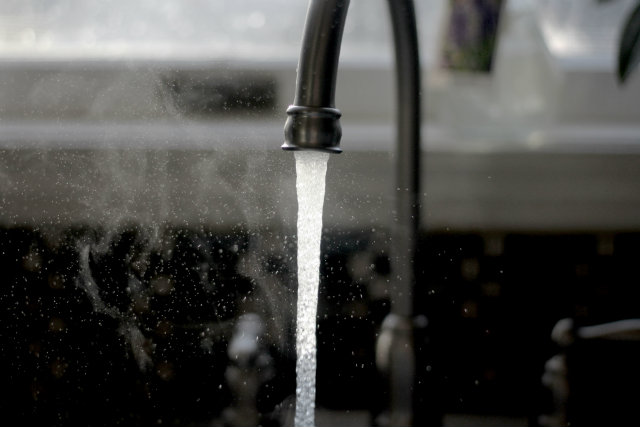 Photo by Imani / Unsplash)
At the end of two days in July when parts of D.C. were under a boil water advisory, it turned out that the city’s drinking water was unaffected, according to DC Water. But the incident served as a test case for the utility’s emergency protocols and communication channels, one that many Washingtonians believed the agency failed.
In response, DC Water issued a report on Thursday detailing the circumstances behind the incident and outlining a series of changes it plans to make in order to prevent similar future occurrences and reach residents more effectively in the event of an emergency.
They include new controls at pumping stations and improvements aimed at better reaching customers, like adding a second server to serve large numbers of visitors to the website at once.
DC Water said it is also working with the D.C. Homeland Security and Emergency Management Agency to add drinking water advisories to the city’s emergency alert systems and plans to designate an officer to communicate with schools and hospitals in the event of an issue.
On the evening of July 12, an employee opened an incorrect valve—the employee has given “inconsistent responses” as to why, according to the report—at the Bryant Street Pumping Station for a little more than an hour. A subsequent drop in water pressure made the system vulnerable to the possibility of contaminants seeping in. “The impact was felt far from the pumping station,” the report notes.
Still, it wasn’t until the early hours of July 13 that DC Water issued an advisory to residents to boil their drinking water. Subscribers to AlertDC received an alert at 4:39 a.m. and robocalls started at 6 a.m.
In total, 34,000 customers were affected, which likely amounts to more than 100,000 people, according to DC Water.
And many of those people said they only learned of the advisory many hours after it went into effect.
“Nobody called and said anything to us,” said Bernard Clark, who lives in Ft. Lincoln, one of the affected neighborhoods in Northeast Washington, last month. “I didn’t find out until I went downtown late that evening.”
DC Water CEO and General Manager David L. Gadis acknowledged the shortcomings in a press release accompanying the report, and pledged to do better.
“This report makes good on our promise to be an open and transparent with our customers as we can,” Gadis said. “We can and we will do better.”
The full report is available here.
Previously:
Residents Say DC Water Didn’t Communicate Boil-Water Advisory Quickly Or Broadly Enough
Here’s Everything We Know About The Boil Water Advisory