Natalie Delgadillo
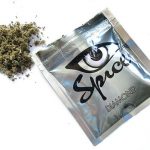
 (Photo by Fine Herbal Incense)
Between July 14-22 this summer, D.C. Fire and EMS transported 234 patients they believed could be suffering from overdose symptoms resulting from the synthetic drug K2. The surge of patients was more than double the amount responders dealt with in the entire month of July last year.
Now, health officials have tested six people who died of a suspected K2 overdose in July, and found that three of the six were related to K2.
“In response to the recent potential outbreak of K2 synthetic cannabinoid overdoses in the District of Columbia, the Office of the Chief Medical Examiner tested six probable fatal overdose cases to determine if they were related to synthetic cannabinoids,” reads a statement from the Office of the Chief Medical Examiner. “Three of the six cases were determined to be deaths related to synthetic cannabinoids. Two of the three fatal cases also had other drugs present such as cocaine and fentanyl.”
Of the other three individuals tests, two of them died from heart disease and a third died from a fentanyl overdose.
K2 is often talked about as a synthetic cannabinoid or synthetic marijuana, though in reality it has very little in common with marijuana. Because of the way the drug is constructed to bind perfectly with cannabinoid receptors in the human brain, its effects are much more intense and can be dangerous.
As DCist reported shortly after the outbreak back in July, one of the most dangerous parts of the drug is its unpredictability: when health officials test the substance, they often find up to five different chemical compunds in what is essentially a potpourri.
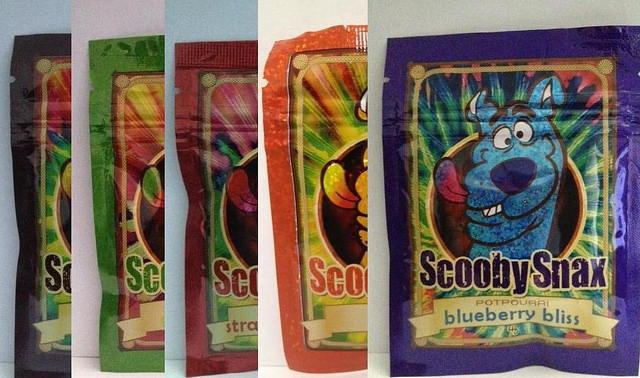
D.C. health officials suspected last month that a particularly dangerous variant had come into the city, and took pains to inform the public about the dangers that come with ingesting the unknown substances inside colorful K2 packets (often covered with cartoon characters).
“We think it is a new variant that had not previously been identified,” Tanya Royster, director of the D.C. Department of Behavioral Health, said at the time on The Kojo Nnamdi Show.
Reporting contributed by Elly Yu.