 Jordan Pascale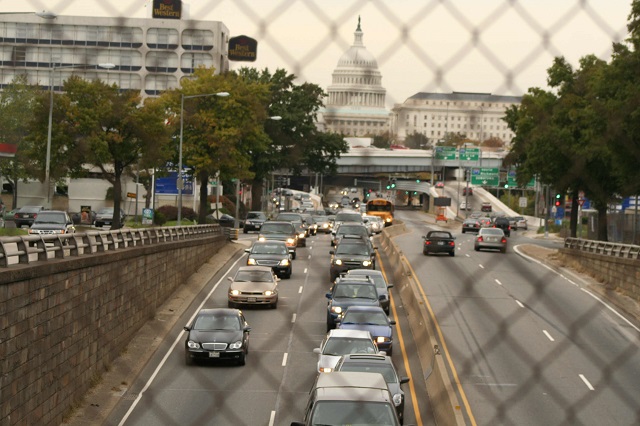
 (
(
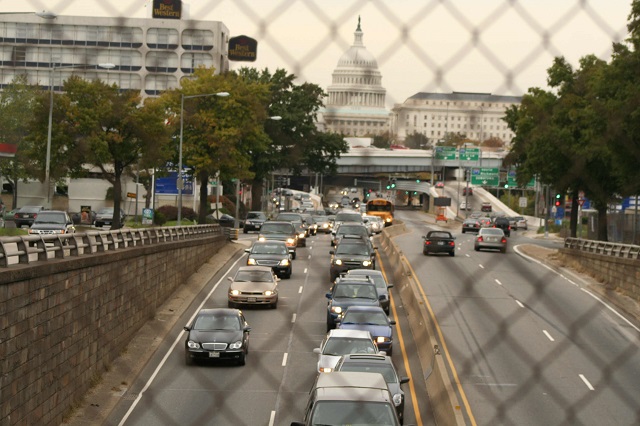
If you think it takes longer to get to work in September than it does in August, you’re right.
Washington-area drivers often talk about how much worse traffic gets once September hits and the data backs it up, according to Andrew Meese, a planner with the regional Transportation Planning Board.
“There is no doubt that people experience it in this region,” Meese said.
The phenomenon has been coined “September shock” or the “September surge.”
Just how bad does it get?
Well, it depends on where you live and where you’re going, but morning delays have jumped as much as 15 to 45 percent since 2010.
So an hour in August traffic means as much as an hour and a half in September.
A small difference in traffic volumes — the addition of college students, parents taking kids to school, Congress back from its August recess and fewer people on vacation — can have an outsized effect on delays.
“You have a lot of roads that are almost full, so just a few drivers more… just one, two, three percent more traffic volume can make a big difference,” Meese said.
One reason for the jump? With kids in schools, parents are probably less free to choose when to leave for work, Meese said.
But the afternoon delays are far less severe. That’s because workers may be spreading out what time they leave.
September isn’t the only bad time of the year — or even the worst time. September through November has high delay times. It cools off from December to March and then picks up again through mid-summer.
In 2017, the highest delays were in June, but Meese could only speculate for the reason behind that.
“It’s a busy time of year, a lot of activities and people are in town,” he said.
But the August to September bump is the sharpest increase all year.
This story originally appeared on WAMU.