 Mikaela Lefrak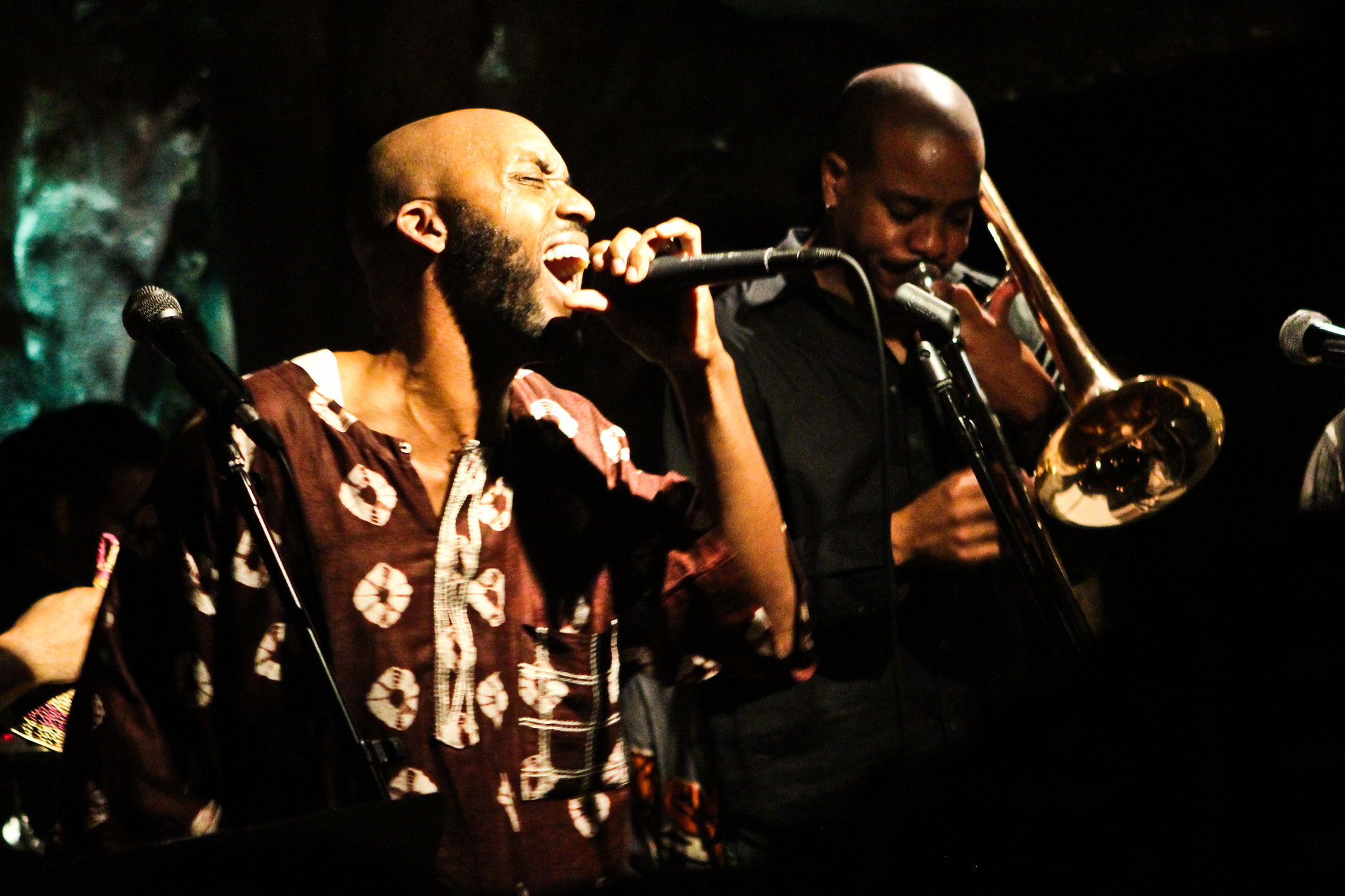
Update, 6/4/2019: The D.C. Music Census launched on June 4 and will be open for the next three weeks. Anyone who is “working creatively in music as a musician or participating in any music-related product, service or venue” can participate, according to the D.C. government.
Original: From jazz to go-go, D.C. has a rich musical history. But it’s never been quantified.
For the first time, the city is preparing to launch a music census in order learn more about the role musicians play in the local economy.
The census aims to capture the scope of the city’s music scene, from the number of people who earn money making music to the relationships between venues and local artists.
The idea for the census came about as city officials were putting together a Cultural Plan for the District a few years ago. In a catalogue of the District’s “cultural creators,” they identified only 360 residents who listed their primary occupation as “musician” on their tax filings.
“They went, ‘there aren’t that many working musicians.’ And we were like, that’s crazy, of course there are,” said Anna Celenza, a music professor at Georgetown University. “We realized they just didn’t have the data.”
Celenza was already in the process of setting up a census of the city’s jazz musicians, so officials at the city’s Office of Cable, Television, Film, Music and Entertainment agreed to partner with her on a broader version that would encompass the entirety of the music scene. Both entities declined to share budget numbers for the project.
The online questionnaire will be open to any Washington area residents who earn money from music in the District. Questions and topics for the census will include:
- What are the various ways you build your revenue (busking, teaching, playing shows, etc.)?
- How did you become a musician? Did you receive your training in D.C. or elsewhere?
- How do you get to gigs? Do you own your own car? Do Metro’s hours affect your ability to travel for work?
- Do you live in D.C.? If not, why not?
There will also be questions geared towards music venue managers, such as whether they mostly hire local or out-of-town musicians, and how much they compensate per show.
Celenza said she hopes the census results will influence the city’s Cultural Plan, and ultimately drive more city resources towards music. The plan was originally meant to be completed this past spring, but it is running behind schedule and is still in draft form.
“Until you know what the economic impact is, you can’t justify spending money,” said Chris Naoum of Listen Local First, an organization that raises awareness about D.C.’s local music scene. He hopes the census results will help set the agenda for Mayor Muriel Bowser’s next four years in office.
Other cities, including Austin and Pittsburgh, have conducted similar studies of their music economies.
The online questionnaire is currently on track to launch in January. Celenza hopes to report the results by late October 2019.
This story was originally published on WAMU. It has been updated.