 Rachel Sadon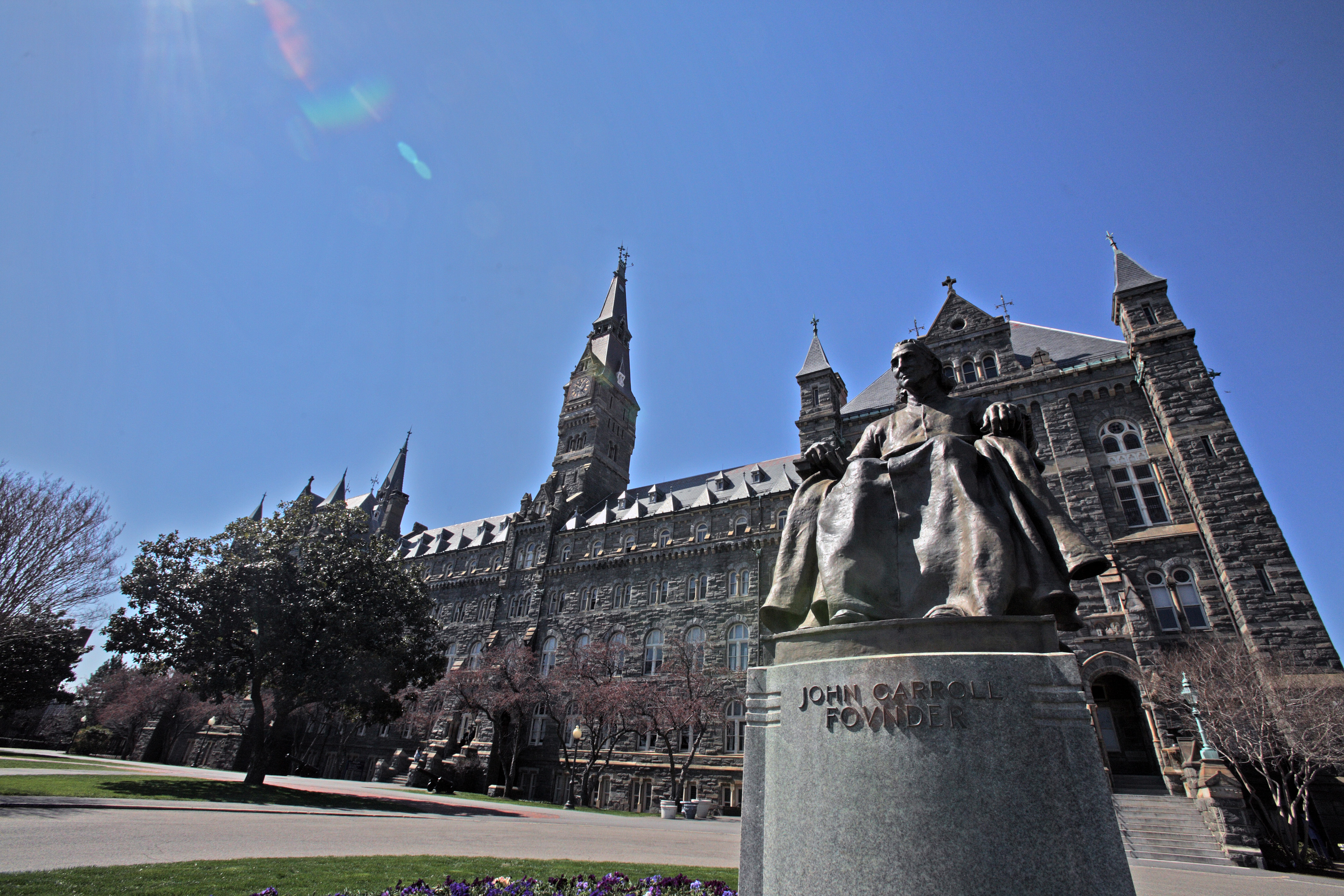
Hundreds of graduate students at Georgetown University have spoken: they overwhelmingly want to unionize.
Of the school’s nearly 1,100 graduate student assistants, 555-108 voted on November 9 in favor of being represented by the Georgetown Alliance of Graduate Employees, which is affiliated with the American Federation of Teachers.
“This organizing campaign helped bring together workers across every department on campus to make sure their voices were heard, on issues like healthcare, dental and vision insurance, parental leave, working conditions and more. Those voices spoke loud and clear,” said Catie Sevigny, a doctoral candidate in tumor biology, in a statement. “Now, we come together to bargain for a fair contract.”
The election was overseen by the American Arbitration Association rather than the National Labor Relations Board.
While the NLRB ruled that teaching assistants at Columbia University were entitled to collective bargaining rights in 2016, many believe that the board would likely reverse that decision under the Donald Trump administration. In fact, several unions have withdrawn petitions rather than risk such a ruling, Inside Higher Ed reports (at Columbia University, where the administration has refused to negotiate with the union, graduate students are waging a campaign of “relentless disruption” rather than filing a complaint with the NLRB). In such an event, however, Georgetown’s agreement with GAGE, which was developed after graduate student employees sought voluntary recognition last year, would continue.
Graduate students at American University unionized in 2017, part of a wave of such elections following the 2016 NLRB ruling. Meanwhile, George Washington University has opposed efforts to form a graduate student union.
“We want to thank Georgetown University for joining us in a groundbreaking agreement, creating a process to ascertain the will of its graduate workers, and honoring its word to remain neutral,” said American Federation of Teachers President Randi Weingarten in a statement. “While other universities have been part of a well-funded, coordinated legal attack to deny all grad workers a voice on the job, Georgetown chose a different path: for graduate workers to have a voice.”