 Mikaela Lefrak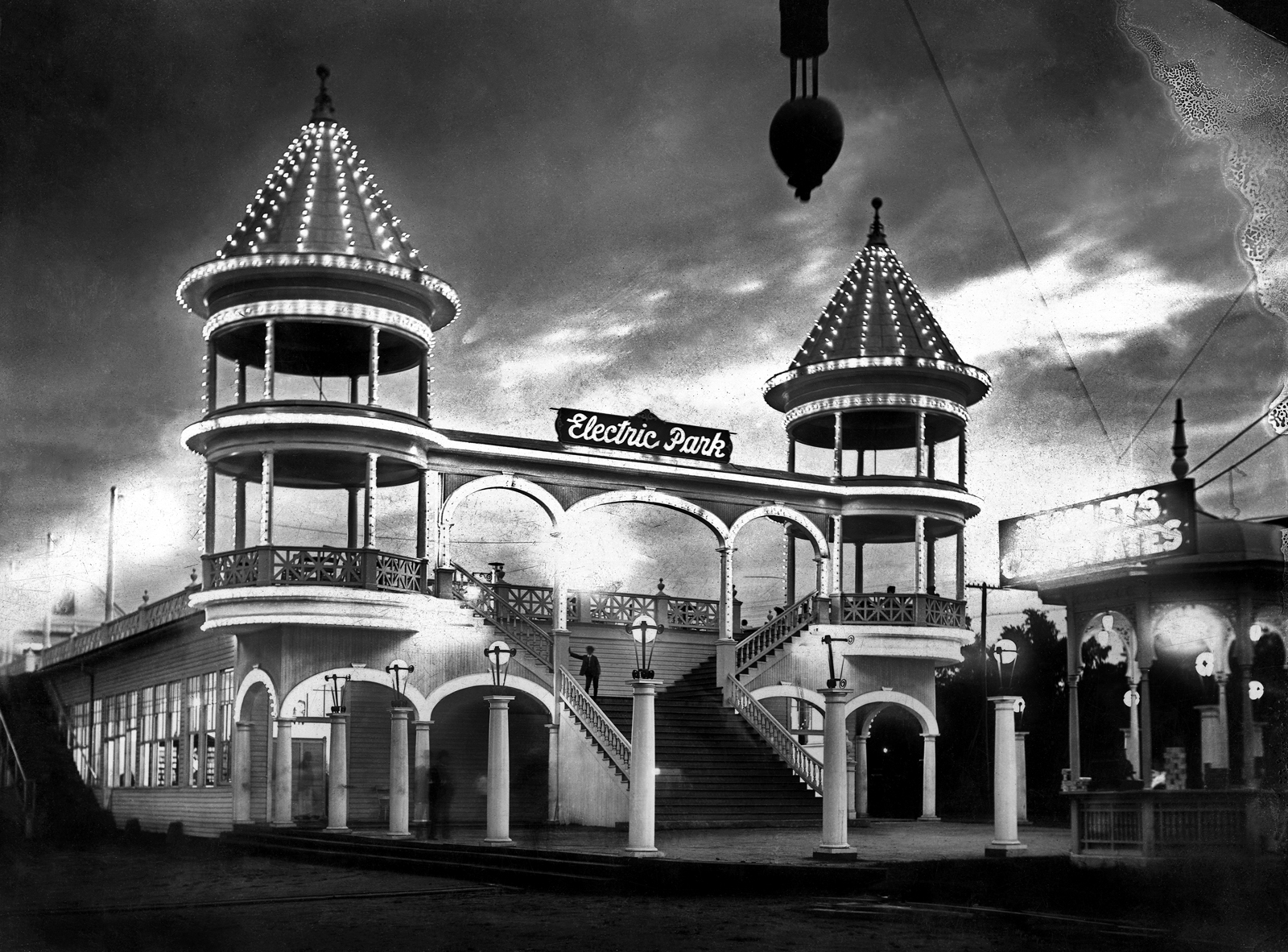
Grand movie theaters built in the first half of the 20th century used to have soaring marquees, big balconies and velvet curtains. Today, many of them have been torn down or repurposed as churches, convenience stores or apartments.
“Flickering Treasures,” a new exhibition at the National Building Museum, explores the history of Baltimore’s iconic theaters. About 100 are still standing, though the city only has a half dozen functioning movie theaters.
“These are forgotten theaters,” said Baltimore Sun photographer Amy Davis, whose images anchor the exhibit. She spent more than a decade photographing theaters around Baltimore and interviewing residents for a 2017 book by the same name. They told her about lazy afternoons spent at the Royal, the lines outside the Senator, and what it felt like to see their first movies ever at Electric Park.
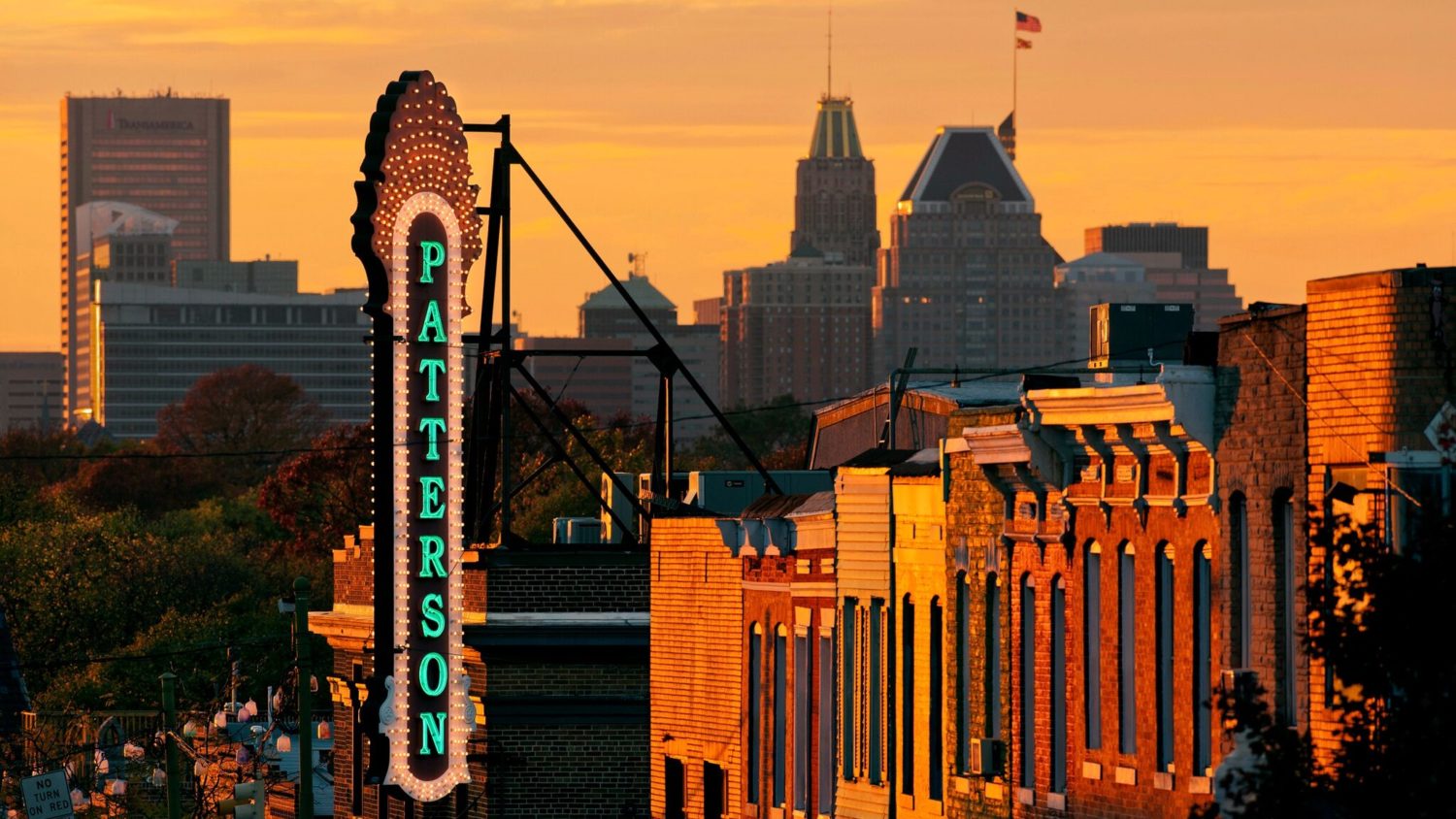
Baltimore’s first nickelodeon opened in 1905. The following decade, a handful of hotshot architects like Thomas Lamb and John J. Zink began building deluxe picture palaces in Baltimore and across the country. Zink designed about 30 theaters in the Baltimore-Washington region, including the Uptown in D.C. and the Senator in Baltimore.
“Flickering Treasures” also features theater artifacts like movie posters, light fixtures, programs, and cast iron theater seats — a far cry from the cushy, La-Z-Boy-style seats of today.
“There is a lot of nostalgia, obviously, for the classic or Golden Age of moviegoing,” said National Building Museum curator Deborah Sorensen. “There’s a romance attached to it.”

Built in 1939 by architect John J. Zink, the Senator Theater is one of Baltimore’s most intact examples of the Streamline Moderne style.Amy Davis / Flickering Treasures
Many of Davis’s photographs show how Baltimore’s remaining cinemas have been absorbed into the fabric of the city today. In one, three young boys in football gear stand in front of the Royal’s marquee. Behind them is an empty field — the theater was demolished in 1971.
Davis interviewed longtime Baltimorean James Crockett about his experiences at the Royal. “It was always standing room only,” he told her. The venue catered to an African-American audience and showed vaudeville, movies, and performances; Crockett remembered seeing Ella Fitzgerald, Fats Waller and Nat King Cole.
“Oh, there were so many people that came to the Royal Theater,” he said.

The Royal Theater, prior to its demolition in 1971. It opened in 1922 as the Douglass.Theatre Historical Society of America / Flickering Treasures
The exhibit uses Baltimore as a case study for the rise, fall, and restoration of historic cinemas, Sorensen said. “It’s a story that could be Washington, Philadelphia, Chicago, or Dallas. The same themes and the same trends and the same transitions occurred everywhere.”
For Davis, the decade she spent photographing her city’s theaters and seeing the roles they played in urban development and gentrification permanently changed the way she approached the buildings. As she put it: “I began to see theaters as a metaphor for the city itself.”
Flickering Treasures is open through Oct. 14, 2019. Tickets cost $10 for adults and $7 for students, youth, and seniors.
What About The Washington Region?
A number of historic movie theaters in the area have survived as cinemas or playhouses. Here are a few gems in and around the District.
- The Avalon, Chevy Chase, Washington, D.C.: This cinema operated continuously from 1923 until its owners abruptly declared bankruptcy in 2001. An organist used to accompany the shows in the theater’s 1,200-seat auditorium (it now seats 450). A community group formed a nonprofit to preserve the theater and successfully reopened it two years later.
- The Meader Theater, Barracks Row, Washington, D.C.: Now known as the Miracle Theater, the Meader first opened in 1909. It hosted movies and vaudeville performances until the 1960s, when it became a church. It reopened as a theater and performance venue in 2012.
- The Tivoli Theatre, Columbia Heights, Washington, D.C.: The Tivoli was completed in 1924 but closed in 1976 as the neighborhood around it deteriorated. Theater reopened in 2006 after massive renovations, and is now home to the GALA Hispanic Theatre.
- The Uptown, Cleveland Park, Washington, D.C.: The Art Deco-inspired theater dates back to 1936. It’s one of more than 200 theaters across the U.S. designed by architect John Jacob Zink. It still shows movies on its curved, 70-foot-long screen, one of the largest in the region.
- Old Greenbelt Theatre, Greenbelt, Maryland.: The cinema was a centerpiece of the New Deal-era Greenbelt planned community. Its first audience paid 30 cents to see Shirley Temple in the musical drama “Little Miss Broadway” in Fall 1938. It’s now run by a nonprofit and still shows movies.
- The Streamline Moderne, Bethesda, Maryland.: This theater opened in 1938 with a screening of “Bluebeard’s Eighth Wife,” starring Gary Cooper. It was designed by the firm of the renowned “movie palace” architect John Eberson and was added to the National Register of Historic Places in 1999. It currently operates as the Bethesda Blues And Jazz Supper Club.
- Arlington Theatre, Arlington, Virginia.: The theater opened in 1940 as the whites-only Arlington Recreation Center, with 24 bowling lanes on its upper floors. It’s now known as the Arlington Cinema ‘N’ Drafthouse and features dine-in movies and shows.
This story originally appeared at WAMU.