 Rachel Sadon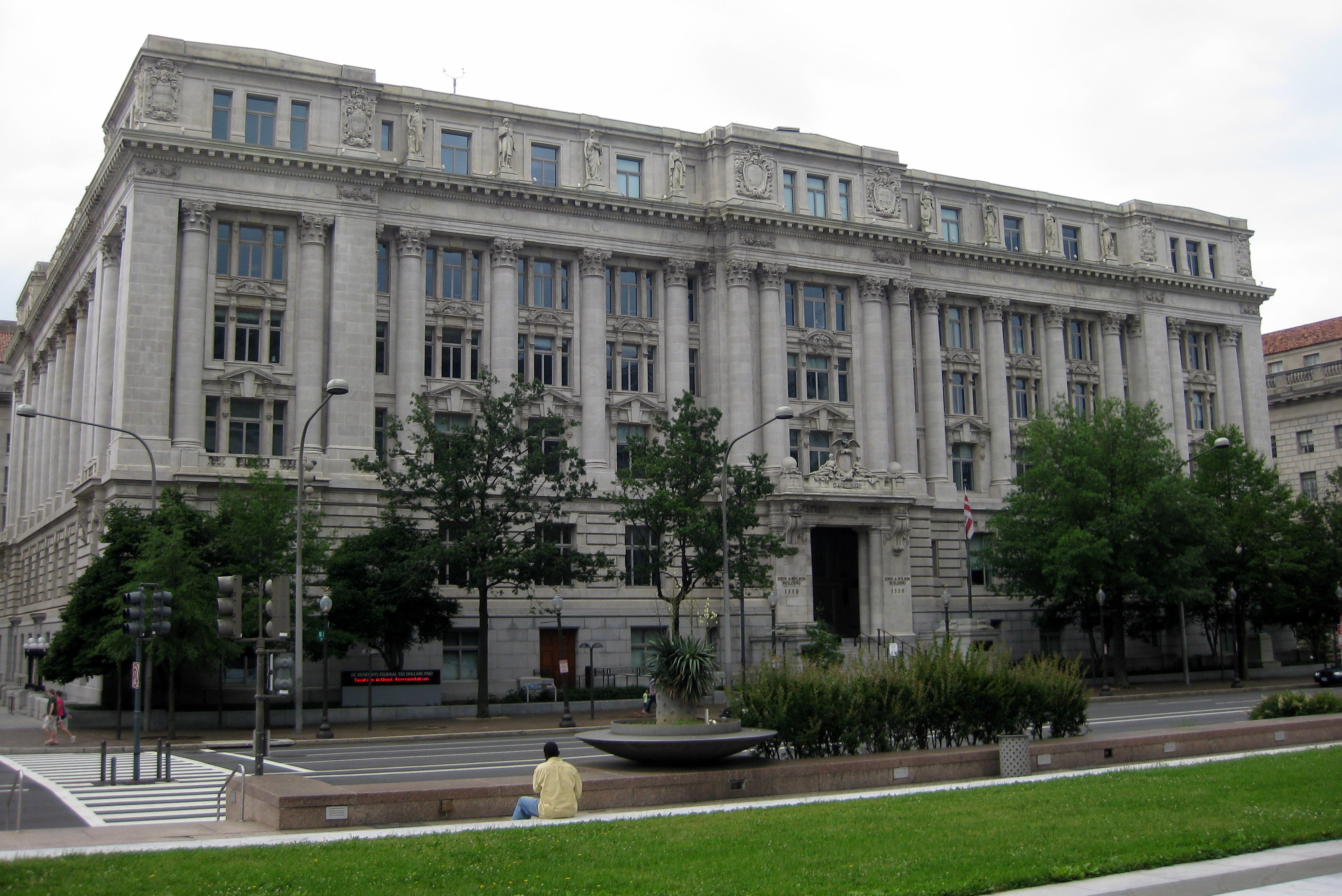
Accusations of “pay-to-play” lawmaking are practically ever present in the District’s political air. In recent years, allegations that wealthy donors influenced government decisions have engulfed the Department of General Services, an effort to legislate digital signs, real estate deals, and the D.C. lottery system, among many others.
A new bill, which passed the first of two votes at the D.C. Council on Tuesday, aims to change that.
The Campaign Finance Reform Act of 2017 was introduced by Ward 6 Councilmember Charles Allen, though it incorporates elements of at least five other campaign finance bills. There’s a whole lot of wonky details in there, but two of the biggest changes would ban businesses that hold more than $250,000 in city government contracts from contributing to political campaigns and strengthen the Office of Campaign Finance, making it independent from the Board of Elections.
Earlier this year, the Council also passed legislation that creates a system for publicly financing local campaigns. Candidates who participate in the system can only take contributions from individuals.
“Taken together, these laws would be a significant overhaul of how candidates run for office and give District residents a far more powerful voice in selecting their leaders and holding them accountable,” Allen said in a statement on Tuesday.
There was an effort underway to table the omnibus bill, according to a Wilson Building source, as several councilmembers expressed reservations. But ultimately the bill headed for a vote, passing 11-0. Ward 5 Councilmember Kenyan McDuffie and Ward 4 Councilmember Brandon Todd abstained.
Through a spokesperson, Mayor Muriel Bowser declined to comment on the legislation, saying that she hasn’t yet analyzed the bill. The spokesperson also declined to say where the mayor stands more generally on the need for campaign finance reform.
Still, this is hardly a new issue for the mayor. Early in her first term, Bowser came under a firestorm of criticism for a political action committee created by her supporters. FreshPAC capitalized on a loophole in the law at the time that allowed such groups to take in unlimited donations in non-election years. The group’s treasurer, who had also served as a treasurer for Bowser’s mayoral run, originally said he aimed to raise a million dollars within a year. Before the group voluntarily disbanded and gave most of its money back, FreshPAC amassed more than a quarter of a million dollars–most of it from contractors that have big business with the city.
The D.C. Council will take a second vote on the legislation next month. If the bill passes, it would then go to Bowser’s desk and then on to Congress.
The city’s chief financial officer estimates it would take $4.2 million to implement.